
同一個屋苑群組裡,三個家長問同一個問題:邊間 AI 課程好。貼上來的三個頁面寫著同一組字:小班、實作、有成果。三間都沒有寫錯,所以這個群組幫不上忙。Three parents in the same estate group chat ask the same question: which AI course is any good? The three pages they paste back carry the same words: small classes, hands-on work, real outcomes. None of the three is wrong, which is why the group chat cannot settle it.
家長要的是一個可以比較的答案。課程頁寫的通常是承諾,而承諾之間沒有分別;可以比較的是條件:房間裡有幾個人、孩子帶走甚麼、卡住的時候誰回應、資料交給誰、一個月之後還做不做得到。這些條件在付款之前查得到,也不需要家長懂 AI,或者相信任何一方的說法。A parent wants an answer that can be compared. Course pages mostly carry promises, and promises do not differ much from one another. What differs are conditions: how many people share the room, what the child takes home, who answers when a learner is stuck, who holds the data, and whether any of it survives a month. All of them can be checked before anyone pays, without understanding AI and without trusting either side's account of itself.
分別最大的一項在付款之後才出現。課程期間,工具會把孩子做不到的部分補上,作品看起來很完整;把工具拿走,留下來的才是他自己的。所以這一篇的判斷放在一個月後:同一件作品,在沒有示範的情況下,孩子還做不做得到。The largest difference appears after payment. During a course the tool fills in the parts the child cannot yet do, and the work looks complete. Take the tool away and whatever remains is the child's own. The judgement in this article therefore sits a month later: the same piece of work, with no demonstration, and the child asked to do it again.
摘要Summary
- 課程頁可以比較的是條件,承諾之間沒有分別。What can be compared on a course page is a set of conditions; promises do not differ from one another.
- 我們在 2026 年 11 月 20 日讀了 11 個招生頁,八個欄位共 88 格,頁面寫了 25 格。On 20 November 2026 we read eleven enrolment pages. Across eight fields and 88 cells, the pages filled 25.
- 兩個欄位一格都沒有寫:課後作品與帳戶怎樣處理,以及一個月後有沒有評估或重做。Two fields were empty on every page: what happens to the work and the account after the course, and whether anyone checks a month later.
- 一個月測試用二十分鐘,問三件事:孩子能不能自己開始、自己找錯、自己解釋。The month test takes twenty minutes and asks three questions: can the child start alone, find the fault alone, and explain the reason alone.
- 七項條件可以在付款前逐項問,好答案與弱答案的分別寫在逐項問題那一節。Seven conditions can be asked about before paying, and the section on what to ask sets out how a good answer differs from a weak one.
- 我們自己在七項之中有兩項做不到:課程頁沒有導師姓名與資歷,也沒有安排一個月後的評估。We meet five of the seven ourselves and miss two: our course pages do not name the instructor or their qualifications, and we run no assessment a month later.
課程頁面為甚麼不能比較?Why can't course pages be compared?
因為課程頁寫的是承諾,而承諾之間沒有分別。小班、實作、有成果,三間都可以寫,三間都沒有寫錯;家長把三頁並排,看到的差異在字眼,不在課程。承諾之間沒有分別,條件才有。Because course pages carry promises, and promises do not differ from one another. Small classes, hands-on work and real outcomes can be written by all three providers, and none of the three is making a false statement. Put the pages side by side and the difference sits in the wording, not in the course. Promises do not differ; conditions do.
| 頁面的話What the page says | 它記錄的是What it records | 它沒有說的是What it leaves out |
|---|---|---|
| 小班Small class | 一個房間裡有幾個人。How many people share a room. | 老師分給每個人的時間用來做甚麼。What the teacher does with the attention that buys. |
| 實作Hands-on | 學生在課堂上動過手。That the student handled materials in class. | 動手的部分由誰完成。Who actually did the part that was handled. |
| 有成果Real outcomes | 課程結束時有一件作品。That a piece of work exists at the end. | 一個月後孩子還做不做得到。Whether the child can do it again a month later. |
三句都真實,三句都沒有回答家長要問的問題。把它們換成條件,問題就變得可以查:房間裡有幾個人、孩子帶走甚麼、卡住時誰回應、資料交給誰、一個月後還做不做得到。前四項在付款前查得到,最後一項要等一個月,但測試的方法可以現在就拿走。All three sentences are true, and none answers the question a parent is asking. Turn them into conditions and the question becomes checkable: how many people are in the room, what the child takes home, who answers when a learner is stuck, who holds the data, and whether any of it survives a month. The first four can be checked before payment; the fifth waits a month, but the way to test it can be taken away today.
課程頁寫的是課程想做到的事,條件問的是課程實際上做到的事。兩者可以有差距,而差距在付款前幾乎看不出來。一個寫著「小班」的頁面,可以是一間八人的課室,也可以是二十人的課室;一個寫著「有成果」的頁面,可以是一件孩子自己做的作品,也可以是一件導師做完、孩子看著的作品。A course page describes what the course intends to do; a condition asks what it actually does. The two can differ, and the difference is nearly invisible before payment. A page that says small class can describe a room of eight or a room of twenty; a page that says real outcomes can describe a piece the child made or a piece the instructor made while the child watched.
把承諾換成條件,比較就變得可能。條件的答案有具體的名詞、數字或日期,家長可以寫下來,也可以拿去問第二間。同一個下午問三間,答案放在一起,分別就出來了。Turn the promises into conditions and comparison becomes possible. A condition's answer carries a concrete noun, number or date, so a parent can write it down and put the same question to a second provider. Three providers asked in one afternoon, with the answers side by side, produce a difference.
課程頁面寫得最多的是工具,最少的是課後的事Course pages name tools most often and say least about what happens after the course
我們在 2026 年 11 月 20 日讀了 11 個招生頁。樣本是 google.com.hk(zh-HK)第一頁的自然結果,五個查詢:中學生 AI 課程、中學 AI 課程、兒童 AI 課程 香港、小學 AI 課程、ai course for kids hong kong。只保留收生或接受查詢、並服務中學生的課程頁;文章、政府與學校資源、名單與只服務小學的頁面不計;重複的只算一次。八個欄位逐頁讀,「寫了」的標準是家長在付款之前可以在頁面上讀到,「請致電查詢」不計[7]。我們不逐頁列出名字,因為這一節要說的是這一批頁面寫了甚麼,重點不在排名。On 20 November 2026 we read eleven enrolment pages. The sample was the first page of organic results on google.com.hk in Chinese for five queries: 中學生 AI 課程, 中學 AI 課程, 兒童 AI 課程 香港, 小學 AI 課程 and ai course for kids hong kong. We kept only pages that enrol or take enquiries and serve secondary students; articles, government and school resources, lists and pages serving only primary students were excluded, and duplicates counted once. We read eight fields on every page, and counted a field as stated only where a parent could read it on the page before paying; “call us for details” did not count[7]. The pages are not named, because this section is about what the category states, not about which provider is worst.
| 欄位Field | 11 頁之中寫了幾頁Pages that state it | 這個欄位決定甚麼What it decides | 沒有寫的話要問甚麼If it is missing, ask |
|---|---|---|---|
| 總時數或堂數Total hours | 55 | 份量有多少。How much time the course holds. | 一共幾小時,分幾堂,每堂幾分鐘?How many hours in total, over how many sessions, and how long is each? |
| 每班人數Class size | 22 | 老師能分給每個人的時間。How much of the teacher's attention reaches each learner. | 這一班有幾個人,最多幾個人?How many students are in this class, and what is the maximum? |
| 誰教Who teaches | 11 | 出了問題找誰。Who answers when a lesson goes wrong. | 這一班由誰教,他有甚麼資歷?Who teaches this class, and what are their qualifications? |
| 一件用名詞寫的作品A named piece of work | 77 | 孩子帶走甚麼。What the child takes away. | 完成的作品是甚麼,一個月後還開得開嗎?What exactly is the finished piece, and will it still open a month later? |
| 具名的工具或平台Named tools or platforms | 99 | 學的是哪一套工具。Which tools the course actually uses. | 用哪幾個工具,課程完結後還用得到嗎?Which tools, and can the child still use them after the course ends? |
| 缺席、補課或退款條款Absence and refund terms | 11 | 請假要付多少。What a missed lesson costs the family. | 缺席怎樣補,退款怎樣計?What happens if a lesson is missed, and how is a refund calculated? |
| 課後作品與帳戶的安排What happens to the work | 00 | 一個月後還開不開得開。Whether any of it still opens a month later. | 作品與帳戶在課程完結後保留多久?How long are the work and the account kept after the course? |
| 一個月後的評估或重做A check a month later | 00 | 孩子學過,還是上過。Whether the child learned the skill or only attended. | 課程完結後有沒有評估、重做或跟進?Is there any assessment, redo or follow-up after the course ends? |
八個欄位加起來 88 格,頁面寫了 25 格。寫得最多的是工具:9 頁列出 ChatGPT、Midjourney、Python、Unitree 這一類名字。其次是作品:7 頁寫得出學生會做出一件具體的作品。總時數 5 頁,每班人數 2 頁,誰教 1 頁,缺席與退款條款 1 頁。中位數的一頁寫了兩格,寫得最多的一頁寫了五格。The eight fields make 88 cells, and the pages filled 25. Tools came first: nine pages named tools such as ChatGPT, Midjourney, Python or Unitree. Named work came next, with seven pages stating a concrete object the student makes. Total hours appeared on five pages, class size on two, who teaches on one, absence and refund terms on one. The median page filled two cells; the fullest page filled five.
兩個欄位一格都沒有寫:課後作品與帳戶的安排,以及一個月後的評估或重做。兩個欄位都不在付款前的清單上,卻是付款後最常被問的問題。孩子的作品留在哪一個帳戶,課程完結後還開不開得開,決定了一個月後那一份測試做不做得到;有沒有一個月後的評估,決定了家長要靠自己還是有供應商可以問。Two fields were empty on all eleven pages: what happens to the work and the account afterwards, and whether anyone checks a month later. Neither sits on a pre-payment checklist, and both are the questions asked most often after payment. Which account holds the child's work, and whether it still opens after the course, decide whether the month test can be run at all; whether a check exists decides whether a parent has a provider to ask or has to do it alone.
搜尋「中學生 AI 課程」第一位的頁面,是寫給學校的到校課程頁。它寫年級、寫課程理念、寫學校案例,八個欄位一格都沒有。這不代表寫得差,它寫給另一個買家。11 頁之中,超過一半是到校課程頁,買家是老師與學校。老師要的是課程目標、年級與資助配合;家長要的是時間、人數、條款與課後。同一個頁面服務兩個讀者,通常兩邊都不到位。The first result for 中學生 AI 課程 is a school-facing page for an on-campus programme. It states the year groups, the course philosophy and school case studies, and it fills none of the eight fields. That is not poor writing; it is writing for another buyer. More than half of the eleven pages sell to schools, where the buyer is a teacher. A teacher needs objectives, year groups and funding fit; a parent needs time, class size, terms and what happens afterwards. One page serving both readers usually serves neither well.
所以家長讀課程頁的方法,是先看它寫給誰。頁面用「到校」、「學校」、「津貼」做主角,它寫給老師;頁面用「報名」、「學費」、「幾多堂」做主角,它寫給家長。第二種較容易在付款前問清楚條件;第一種要另外發一個電郵,問同一批問題。The way to read a course page is therefore to see whom it addresses. A page whose subject is “at your school”, “schools” or “subsidy” is written for a teacher; a page whose subject is “enrol”, “fee” or “how many lessons” is written for a parent. The second makes the conditions easier to settle before paying; the first needs an email asking the same questions.
編碼的界線值得寫清楚。一個頁面寫「請致電查詢學費」,學費一欄仍然是空白,因為家長在付款前讀不到;一個頁面寫「小班教學」,人數一欄仍然是空白,因為「小班」可以指八個人,也可以指二十個人。我們把這一類寫法算作沒有寫,原因是家長拿到它之後,下一個動作仍然是打電話。這條界線令 25 這個數字看起來偏低,但它量度的正是家長在頁面上真正讀得到的內容。The coding boundary is worth stating. A page that says “call us for the fee” leaves the fee field empty, because a parent cannot read it before paying; a page that says “small classes” leaves the class-size field empty, because small can mean eight or twenty. We counted both as not stated, since the parent's next move is still a phone call. The boundary keeps the number of 25 low, and it measures what a parent can actually read on the page.
這一節的量度有一個用途。家長不必讀完 11 頁,只要拿同一個問題問三間;頁面沒有寫的,就是電話要問的。八個欄位之中,兩個空白的最值得先問,因為它們是付款後最難補的兩件事。The measurement has one use. A parent need not read eleven pages; the same question put to three providers does the work, and whatever the page leaves out becomes the question for the call. Of the eight fields, the two that were empty are worth asking first, because they are the two hardest items to fix after payment.
為甚麼要等一個月?Why wait a month?
因為課程期間的表現會被工具放大。一個孩子用 AI 完成作品,作品好看,但好看的部分可能來自工具;把工具拿走之後,留下來的才是他學會的。練習時的表現會被工具放大。Because performance during a course is magnified by the tool. A child completes a piece with AI, the piece looks good, and the good part may belong to the tool. Take the tool away and whatever remains is what the child learned. Performance in practice is magnified by the tool.
2023-24 學年,一項在土耳其一所大型高中進行的隨機對照實驗,把近 1,000 名第九至十一年級學生分成三組:一組用一般聊天介面的 GPT-4,一組用加了學習護欄的版本,一組只用課本與筆記。四節 90 分鐘的數學課之後,用一般版本的學生成績比對照組高 48%,用護欄版本的高 127%。當工具被拿走,用一般版本的學生成績比從未用過的學生低 17%;護欄版本把這個負面影響大致消除[1]。In the 2023-24 school year, a randomised controlled trial at a large high school in Turkey put almost a thousand students in grades nine to eleven into three arms: a standard chat interface built on GPT-4, a version with learning guardrails, and a control group with textbooks and notes only. After four 90-minute mathematics sessions, grades were 48 per cent higher in the standard arm and 127 per cent higher in the guarded arm than in the control. Once the tool was removed, the standard arm scored 17 per cent lower than students who had never had access, while the guardrails largely removed that effect[1].
同一個工具,練習時令成績高 48%,拿走後令成績低 17%。兩個數字要一起讀:只讀第一個,會以為工具令孩子學得更好。The same tool lifts grades by 48 per cent in practice and lowers them by 17 per cent once it is gone. The two numbers have to be read together; the first alone suggests the tool made the learning better.
Bastani 等,PNAS 2025。近 1,000 名高中生,四節 90 分鐘數學課。Bastani et al., PNAS 2025. Almost a thousand high school students over four 90-minute mathematics sessions.
研究者把這個現象叫做拐杖。練習的時候,學生把思考外判了給工具,練習看起來很順;工具拿走之後,外判出去的部分不會自己回來。拐杖的比喻有一個值得讀完的部分:工具在的時候有用,這個用處要等到拿走之後才看得清楚。The researchers called the effect a crutch. During practice the students outsourced the thinking to the tool, and the practice looked smooth; once the tool was gone, the outsourced part did not come back on its own. The image is worth finishing: the tool is useful while it is there, and how useful only becomes clear after it is taken away.
四至六星期是一個折衷。時間太短,工具的效果還在,孩子做的時候仍然會想起課堂的步驟;時間太長,孩子連課程的要求都忘了,測到的會是記憶。四至六星期大約過了兩次月考與一個假期,孩子要在沒有提示的情況下把作品重新組織一次。這個間隔沒有實驗支持,家庭可以按自己的節奏調整;要保留的是延遲,以及沒有工具這兩個條件。Four to six weeks is a compromise. Too short and the tool's effect is still live, so the child is still following the steps from class; too long and the child has forgotten what the course asked for, and the test measures memory. Four to six weeks crosses two rounds of tests and a holiday, long enough for the child to put the piece together again without prompts. The interval is not backed by an experiment of its own, and a family can stretch or shorten it; what has to stay is the delay and the absence of the tool.
使用與理解之間的距離,在香港也見得到。團結香港基金 2026 年的調查訪問了 1,200 人,其中 833 名學生;95% 學生使用 AI,自評熟練度 6.5 分(10 分滿分),教師的使用率是 91%,自評 5 分[5]。學生用得比老師多,對自己的評價卻只比老師高一點,這個差距是家長要處理的起點。The distance between using and understanding shows up in Hong Kong too. Our Hong Kong Foundation surveyed 1,200 people in 2026, 833 of them students: 95 per cent of students used AI and rated their own proficiency at 6.5 out of 10, while 91 per cent of teachers used it and rated themselves at 5[5]. Students use it more than their teachers and rate themselves only slightly higher, and that gap is where a parent starts.
一個月後的重做有效,還有第二個原因。Roediger 與 Karpicke 在 2006 年的實驗裡,讓學生讀同一篇文章,一組重複溫習,一組重複測試。一星期之後,重複溫習的一組記得 41%,重複測試的一組記得 61%[2]。把資料從記憶裡拿出來這個動作,比重讀一次更能留住它。There is a second reason the delayed redo works. In a 2006 experiment, Roediger and Karpicke gave students the same passage to read, with one group restudying it and another group testing themselves on it. A week later the restudy group remembered 41 per cent and the repeated-test group remembered 61 per cent[2]. Retrieving the material from memory held it better than reading it again.
兩項研究合起來,解釋了為甚麼要在一個月後做一次沒有工具的重做:工具會放大練習時的表現,延遲的提取會暴露留下來的是甚麼。測試的地點在家裡,不在課室;測試的人是孩子,導師不在場。Together the two studies explain why the redo belongs a month later and without the tool: the tool magnifies performance in practice, and delayed retrieval shows what stayed. The test happens at home, not in the classroom, and the person doing it is the child, with no instructor present.
一個月測試也有一個界線。它量度一件作品,量度不到整個課程;一個孩子可能在課堂上學到了一種合作方式,或者一種求助方式,而這些不在作品裡。測試的用途是收窄不確定性,不會給出一個完整的評價。The month test has a boundary too. It measures one piece of work and cannot measure a whole course; a child may have learned how to work with others, or how to ask for help, and neither shows up in the piece. Its job is to narrow uncertainty, not to deliver a complete verdict.
一個月測試要二十分鐘,做三件事The month test takes twenty minutes and three steps
測試在課程完結後四至六星期做,全程二十分鐘。不需要導師在場,不需要錄影,不需要把孩子放在一張評分紙前面。它要回答的問題只有一個:沒有示範的時候,孩子還做得到幾多。Run the test four to six weeks after the last lesson, and give it twenty minutes. No instructor needs to be present, no recording is needed, and the child does not sit in front of a marking sheet. The test answers one question: with no demonstration, how much can the child still do?
- 01選一件作品Choose one piece of work
課程說教過、孩子做過的一件,例如一個網頁、一個聊天機械人、一個分類器。由孩子自己選。Something the course taught and the child made, such as a web page, a chatbot or a classifier. The child chooses it.
- 02等四至六星期Wait four to six weeks
課程完結之後,不翻筆記,不先開 AI;日子到了才做,之前不提。After the course ends, leave the notes closed and do not open the AI first. Do the test on the day and not before.
- 03做三件事Ask three questions
開始、找錯、解釋,每項 0 至 3 分,總分 0 至 9。Start, find the fault and explain, each scored 0 to 3, for a total out of 9.
圖:一個月測試的三個步驟。測試在課程完結後四至六星期進行,全程二十分鐘,不需要導師在場。Figure: the three steps of the month test. It runs four to six weeks after the course, takes twenty minutes and needs no instructor in the room.
三個規則令測試成立。第一,用孩子自己選的一件作品;家長選的作品,孩子會先想這一件是否家長要看的。第二,不給筆記,不給課程的提示詞,不先開 AI;孩子可以上網查,但要說出查了甚麼。第三,家長只記錄,不提示;提示一次,就在那一項寫「需要提示」。Three rules make the test hold. First, use a piece of work the child chose; a piece the parent chose invites the child to wonder what the parent wants to see. Second, no notes, no course prompts and no AI at the start; the child may search the web but has to say what was searched. Third, the parent records and does not prompt; one prompt means writing “needed a prompt” against that question.
| 問題Question | 看甚麼What to watch | 0 分Score 0 | 3 分Score 3 |
|---|---|---|---|
| 開始Start | 沒有示範時,孩子說不說得出第一步?With no demonstration, can the child name the first step? | 孩子坐著等提示。The child sits and waits for a prompt. | 孩子自己說出第一步與次序。The child states the first step and the order alone. |
| 找錯Find the fault | 作品壞了,孩子找不找得到哪一步出錯。When the work breaks, can the child find which step went wrong? | 孩子停下來等人。The child stops and waits for someone. | 孩子自己找出錯的位置,並說出原因。The child locates the fault and gives the reason. |
| 解釋Explain | 孩子說不說得出為甚麼這樣做行得通。Can the child say why this approach works? | 孩子只說「係咁做」。The child says only that this is how it is done. | 孩子用自己的話說出原因與限制。The child gives the reason and its limit in their own words. |
三項加起來 0 至 9 分。我們把三段落叫做出席、練習與學會:0 至 3 分是出席,孩子上過堂,作品由工具或導師完成;4 至 6 分是練習,孩子做過,但離開課堂的支援就停;7 至 9 分是學會,孩子自己做得完,也說得出為甚麼。測試要孩子自己開始,自己找錯,自己解釋。The three questions give a total out of 9. We read the ranges as attendance, practice and learning: 0 to 3 is attendance, where the child was present and the tool or the instructor finished the work; 4 to 6 is practice, where the child did it but the work stops when the classroom support stops; 7 to 9 is learning, where the child finishes alone and can say why. The test asks the child to start, to find the fault and to explain, all without help.
分數是給家長的採購紀錄,不會給孩子看。測試之後,家長手上有三項紀錄:一件重做過的作品、三個分數、一句下一次要問導師甚麼。三樣都可以放進下一次的對話,而它們比一張證書更具體。The score is a purchase record for the parent and is not shown to the child. After the test the parent holds three items: a piece of work redone, three scores and one sentence on what to ask the instructor next. All three can go into the next conversation, and all three are more specific than a certificate.
一份填好的紀錄A record, filled in
以下是一份示範紀錄,用我們交付紀錄裡的一個課堂觀察寫成,真實的一個月測試未有進行。它示範的是紀錄的形狀:同一件作品、三個問題、一個總分,最後寫一句下一次要問導師甚麼。What follows is a sample record, written from one classroom observation in our delivery records; a real month test has not been run. It shows the shape of the record: one piece of work, three questions, a total, and a closing sentence on what to ask the instructor next.
示範紀錄:一個數字人課程的課堂觀察A sample record: one observation from a digital human course
| 欄位Field | 填好的內容What it says |
|---|---|
| 課程Course | 一個中學數字人課程,約 30 人,六節 90 分鐘。A secondary-school digital human programme, about 30 students over six 90-minute sessions. |
| 重做的作品The piece redone | 一個 DSE 口試考官:學生設定角色、規則,以及禁止寒暄的條件。A DSE oral examiner: the student sets the role, the rules and the condition that it may not make small talk. |
| 測試日期When | 課程完結後第五星期,20 分鐘,沒有筆記。The fifth week after the course, twenty minutes, with no notes. |
| 開始(0 至 3 分)Start (0 to 3) | 3 分:學生自己寫出角色設定與三條規則。3: the student writes the role and the three rules alone. |
| 找錯(0 至 3 分)Find the fault (0 to 3) | 2 分:麥克風設定要人提一句。2: the microphone setting needs one prompt. |
| 解釋(0 至 3 分)Explain (0 to 3) | 3 分:學生說得出為甚麼要禁止寒暄,以及考官讚得太容易時怎樣改。3: the student says why small talk is banned, and how to change the examiner when it praises too easily. |
| 總分Total | 8/9:課程留下了成果;下一次要補的是器材設定的獨立處理。8 out of 9: the course left a result behind, and the next item to fix is handling the equipment setting independently. |
這份紀錄最有價值的一行是「解釋」。課程期間,學生嫌考官讚得太容易,自己改寫了提示詞,令它更嚴。課堂沒有要求他們這樣做;這個改動是測試想找的訊號:孩子開始調校工具,並且會質疑它的第一個答案;一個只會給答案的機器不會被這樣對待。The most useful line in this record is the third question. During the course the students found the examiner too generous with praise and rewrote the prompt to make it stricter. The class did not ask for it; the change is the signal the test is looking for, because the child has started adjusting the tool instead of accepting its first answer, which no answer machine ever receives.
一位中四學生在課後這樣說:「平時舉手答錯驚俾全班笑,對住個 AI 考官錯十次都唔尷尬,反而係我自己唔忿氣想拗贏佢。」這一句經匿名引述,團隊持有 2026-10-16 的書面同意[6]。A Secondary 4 student said after the class: “In class I am afraid of being laughed at when I answer wrongly, but I can be wrong ten times in front of the AI examiner and not feel embarrassed; what I feel instead is that I want to argue it down.” The quotation is anonymous, and the team holds written consent dated 16 October 2026[6].
這一句話說的是動機;分數說的是能力。兩者一起看,才知道課程留下了甚麼。一個月測試的價值,在於它把這兩樣放在同一張紙上:孩子想做,也做得到。The quotation speaks to motivation; the score speaks to ability. Read together they show what the course left behind. That is where the month test earns its place: it puts the two on one sheet, the child wanting to do it and the child being able to.
付款前可以查的七項條件The seven conditions you can check before paying
七項條件分三組。第一組是交付:誰教、幾個人一間房、孩子帶走甚麼、用哪些工具。第二組是支援與資料:卡住的時候誰回應、資料交給誰。第三組是證據:一個月後還做不做得到。前六項在付款前查得到,第七項在付款後才答得到。The seven conditions fall into three groups. The first is delivery: who teaches, how many share the room, what the child takes home and which tools are used. The second is support and data: who answers when a learner is stuck, and who holds the data. The third is evidence: whether any of it survives a month. The first six can be checked before paying; the seventh can only be answered after.
交付的四項決定孩子實際上得到幾多。兩個課程可以收同一個價錢:12 人的一班與 25 人的一班,老師分給每個人的時間相差一倍;同一個「實作」,可以由學生自己寫,也可以由導師寫、學生看著。這四項的答案最容易在付款前拿到,也最容易被一句形容詞帶過。The four delivery conditions decide how much the child actually receives. Two providers can charge the same fee for a class of twelve and a class of twenty-five, and the teacher's attention per learner differs by more than a factor of two; the same “hands-on” label can describe a student writing the code or an instructor writing it while the student watches. These four are the easiest answers to get before paying, and the easiest to replace with an adjective.
支援的一項決定孩子卡住的時候會不會停。資料的一項決定孩子的作品、聲音與帳戶在課程完結後去哪裡;這一項在家長付款之前很少被問,但在一個月測試那一日會變成最重要的問題:帳戶還在嗎,作品開得開嗎?私隱專員公署的模範框架要求機構在採購與使用 AI 時處理四個範疇,包括風險評估及人為監督[4]。The support condition decides whether a stuck learner stops. The data condition decides where the child's work, voice and account go after the course; it is rarely asked before payment and becomes the most important question on the day of the month test: is the account still there, and does the work still open? The Privacy Commissioner’s model framework asks an organisation procuring and using AI to address four areas, including risk assessment and human oversight[4].
證據的一項是七項之中唯一在付款後才答得到的,也是唯一不能由供應商代答的。它的答案不在課程頁,在一個月後的那二十分鐘。家長要把前六項寫下來,因為一個月後要對照的,就是當時的答案。The evidence condition is the only one answered after payment, and the only one a provider cannot answer on the child's behalf. Its answer is not on the course page; it is in the twenty minutes a month later. A parent should write the first six answers down, because the comparison a month later is against what was promised at the start.
七項之間有一個先後。交付的四項決定孩子有多少可以學,支援與資料決定他卡住的時候會不會繼續,證據的一項決定前六項有沒有效。任何一項空白,其餘六項都會被拖低:一堂 90 分鐘的課,如果孩子卡住時沒有回應,時間會變成等待;一個 8 人的班,如果作品由導師完成,人數的優勢用不到。七項一齊看,最弱的一項決定整體的上限。The seven have an order. The four delivery conditions decide how much there is to learn, support and data decide whether a stuck learner keeps going, and the evidence condition decides whether the first six did anything. One empty condition drags the other six down: a 90-minute lesson with a stuck learner gets no answer and the time turns into waiting, and an eight-person class where the instructor finishes the work cannot use the advantage of its size. Read together, the weakest condition sets the ceiling.
七項之外還有很多可以問的:導師的教學經驗、課室的設備、同學的年齡分布。它們會影響體驗,但七項決定的是這一筆錢買到甚麼。七項是一張最短的清單,短到可以在一個下午問完三間。There is more to ask beyond the seven: the instructor's teaching experience, the equipment in the room, the age mix of the class. They shape the experience, and the seven decide what the money buys. The seven are the shortest list that still lets a parent put the same questions to three providers in one afternoon.
逐項要問的問題與答案的樣子The question to ask for each condition, and what a good answer sounds like
下表是七項條件的問法。第二欄是家長可以照著問的問題,第三欄與第四欄是好答案與弱答案的分別。好答案有具體的名詞、數字或日期;弱答案用形容詞,或者把問題推回給家長。The table sets out how to ask each of the seven conditions. The second column is the question to put as it stands, and the third and fourth show how a good answer differs from a weak one. A good answer carries a concrete noun, number or date; a weak answer leans on an adjective or hands the question back.
| 條件Condition | 要問的問題The question | 好答案的樣子A good answer | 弱答案的樣子A weak answer |
|---|---|---|---|
| 誰教Who teaches | 這一班由誰教,他有甚麼資歷?Who teaches this class, and what are their qualifications? | 「這一班由陳老師教,他教了六年中學 ICT,課程大綱在這裡。」“Mr Chan teaches this class. He has taught secondary ICT for six years, and here is the syllabus.” | 「我們的老師都很有經驗。」“All our teachers are very experienced.” |
| 幾個人一間房Class size | 這一班最多幾個人?What is the maximum class size? | 「最多 12 人,今天這一班有 9 人。」“Twelve at most, and there are nine in this class today.” | 「我們是小班教學。」“We teach in small classes.” |
| 帶走甚麼What they take home | 課程完結時,孩子帶走哪一件作品?Which piece of work does the child take away at the end? | 「一個可以開的網頁,裡面有他自己寫的三個功能。」“A web page that opens, with three functions he wrote himself.” | 「他會有不少得著。」“He will gain a great deal.” |
| 用哪些工具Which tools | 用哪幾個工具,課程完結後還用得到嗎?Which tools are used, and can the child still use them after the course? | 「用 Canva 與 ChatGPT,兩個都有免費帳戶;作品留在他的 Canva 帳戶。」“Canva and ChatGPT, both on free accounts, and the work stays in his Canva account.” | 「我們用最新的 AI 工具。」“We use the latest AI tools.” |
| 卡住時誰回應Who answers | 孩子在課堂卡住時,誰回應?課後有問題找誰?Who answers when a learner is stuck in class, and who do we contact afterwards? | 「課堂內由導師回應;課後用 WhatsApp 找課程主任,24 小時內回覆。」“The instructor answers in class, and afterwards the programme lead answers on WhatsApp within 24 hours.” | 「我們有支援團隊。」“We have a support team.” |
| 資料交給誰Who holds the data | 孩子的作品、聲音與帳戶資料,課程完結後怎樣處理?What happens to the child's work, voice and account data after the course? | 「作品留在學生的帳戶;錄音只用於課堂,課程完結後 30 日內刪除。」“The work stays in the student's account, and recordings are used in class only and deleted within 30 days of the course ending.” | 「我們很重視私隱。」“We take privacy very seriously.” |
| 一個月後A month later | 課程完結後一個月,有沒有評估或重做?Is there any assessment or redo a month after the course ends? | 「沒有。我們在最後一堂做一次展示,之後沒有跟進。」“No. We hold a showcase in the last lesson and there is no follow-up after that.” | 「我們的學生都學得很好。」“Our students all learn very well.” |
最後一行的好答案可以是「沒有」。一個供應商如果直接說沒有課後評估,家長至少知道要自己安排;一個供應商如果說「學生都學得很好」,家長拿不到任何可以查的說法。直接說出自己沒有做甚麼,本身是一個訊號:這樣的供應商說自己有做甚麼的時候,也比較可信。A good answer in the last row can be “no”. A provider that says plainly that there is no follow-up leaves the parent knowing what has to be arranged at home; a provider that says its students all learn very well leaves the parent with nothing to check. Candour is itself a signal: a provider willing to name what it does not do is easier to believe about what it does.
七個答案寫在同一張紙上,第三間問完之後,家長通常會看到一個模式:三間都答得清楚的是工具與時數,三間都答得含糊的是人數、條款與課後。答得含糊的那幾項,就是這一筆錢最大的不確定性,也是下一次通話要追問的地方。With the seven answers on one sheet, a pattern usually appears by the third provider: tools and hours come back clearly, while class size, terms and what happens after the course come back vague. The vague answers mark where the uncertainty in this purchase sits, and they are the questions for the next call.
三種課程形態解決三個不同的問題The three course shapes answer three different questions
家長比較的是課程,先要比較的是形態。興趣班或短期班、到校課程與線上自學解決三個不同的問題:試一次、鑲進時間表、自己安排進度。形態選錯,其餘六項幫不上。Parents compare courses, and the first comparison is the shape. A short course, an on-campus programme and a self-paced platform answer three different questions: trying it once, fitting it into a timetable, and setting your own pace. Choose the wrong shape and the other six conditions cannot rescue the decision.
| 形態Shape | 解決的問題The question it answers | 做不到的事What it cannot do | 一個月測試適用嗎Does the month test apply? |
|---|---|---|---|
| 興趣班或短期班A short course | 用一個下午試一次,看孩子喜不喜歡。Try it once in an afternoon and see whether the child likes it. | 建立一項一個月後還做得到的能力。Build an ability that is still there a month later. | 適用,前提是課程留下一件可以重做的作品。Yes, provided the course leaves one piece of work to redo. |
| 到校課程An on-campus programme | 把 AI 鑲進學校時間表,全班一起學。Fit AI into the school timetable and teach a whole class together. | 讓家長在付款前查條件,因為買家是學校。Let a parent check the conditions before paying, because the buyer is the school. | 適用,但要向學校索取課堂紀錄與作品。Yes, but the parent has to ask the school for the class record and the work. |
| 線上自學Self-paced online | 讓孩子自己安排進度,忘記了可以重看。Let the child set the pace and rewatch what was missed. | 在孩子卡住的時候即時有人回應。Put a person in reach the moment a learner is stuck. | 適用,而且最容易做,因為帳戶與作品都在自己手上。Yes, and it is the easiest to run, because the account and the work stay with the family. |
三種形態之中,我們辦公開課與到校課程,不辦線上自學。公開課解決試一次與小班練習,到校課程解決時間表與全校參與;線上自學要的是另一種支援,我們沒有做。公開課與到校課程的日期寫在課程時間表,家長可以先看日期,再問七項。Of the three shapes we run public classes and on-campus programmes, and we do not run self-paced online courses. The public class answers trying it once and practising in a small group; the on-campus programme answers the timetable and whole-school participation. Self-paced learning needs a different kind of support, and we do not provide it. The dates for the public classes and the school programmes are on the course schedule, so a parent can look at the dates before asking the seven.
形態的選擇還決定付款的人是誰。到校課程由學校付款,家長收到的是孩子的作品與成績表;公開課與線上自學由家長付款,家長可以直接問條款。兩者的問題不同,問法也不同:向學校問的是課程目標與紀錄,向供應商問的是人數、條款與課後。The shape also decides who pays. The school pays for an on-campus programme, and the parent receives the child's work and report; the parent pays for a public class or a self-paced platform and can ask about the terms directly. The questions differ with the payer: a school asks about objectives and records, while a parent asks about class size, terms and what happens afterwards.
轉換形態有成本。孩子試過短期班之後想繼續,家長要重新找課程、重新問七項、重新等一個月;到校課程轉公開課,孩子要重新適應一班不認識的同學。形態的決定因此值得花一個下午,因為它決定這個家庭在未來一年要重複幾次同樣的搜尋。Switching shape has a cost. When a child wants to continue after a short course, the parent searches again, asks the seven again and waits another month; moving from a school programme to a public class means settling into a room of strangers. The shape deserves an afternoon of its own, because it decides how many times the family repeats the same search in a year.
一個家庭在同一年通常只用一種形態。孩子要先試一次,短期班夠用;孩子已經想學一門手藝,分別在時間表;孩子住得遠,線上自學可能是唯一選擇。形態由家庭的情況決定,課程的比較在形態之後。Most families use one shape in a year. A short course is enough to try it once; once the child wants to learn a craft, the timetable decides; where the journey is long, self-paced may be the only option. The family's circumstances decide the shape, and the comparison of courses comes after it.
學費買了甚麼?What does the fee buy?
學費買的是四項:房間的時間、老師分給每個孩子的注意力、材料與平台,以及批改與紀錄。價錢是這四項加起來的總數。兩個課程的價錢不同,通常表示四項之中有一項被減了,而家長在報價單上看不到是哪一項。A fee buys four parts: time in the room, the teacher's attention divided across the class, materials and platforms, and marking with a record. The fee is the sum of those four. When two fees differ, one of the four has usually been reduced, and the quotation does not say which one.
- 房間的時間:一堂 90 分鐘與一堂 60 分鐘,價錢可以一樣,孩子動手的時間不一樣。Time in the room: a 90-minute lesson and a 60-minute lesson can cost the same, and the time the child spends working differs.
- 老師的注意力:12 人的班與 25 人的班,同一位老師分給每個孩子的時間相差一倍以上。The teacher's attention: with twelve students and twenty-five, the time one teacher gives each learner differs by more than a factor of two.
- 材料與平台:打印、器材與軟件帳戶由誰付,決定孩子帶走的是實物還是一個連結。Materials and platforms: who pays for printing, equipment and software accounts decides whether the child takes home an object or a link.
- 批改與紀錄:有沒有回饋、有沒有紀錄、有沒有課後跟進,決定家長手上有一份文件還是只有一張證書。Marking and records: feedback, a record and a follow-up decide whether the parent ends up with a document or only a certificate.
價錢之外,三條款項決定真正的成本:缺席怎樣補、退款怎樣計、名額可不可以轉讓。這三條通常寫在報名表的最後一頁,或者要問才有。它們的分別可以很大:一個沒有補課的課程,一次病假就等於一筆損失;一個可以轉讓的課程,孩子不適合的時候還有一條退路。Beyond the fee, three terms decide the real cost: what happens when a lesson is missed, how a refund is calculated, and whether a place can be transferred. They usually sit on the last page of the enrolment form, or come only when asked. The difference can be large: a course with no make-up lesson turns one sick day into a loss, and a course that allows a transfer leaves a way out when the child is not suited to it.
三條款項可以用一個例子說明。孩子在第 3 堂病了,缺席一堂:沒有補課的課程,學費少了三分之一,孩子也少了三分之一的內容;可以補課的課程,家長要問補課安排在幾時、由誰教、同一班還是另一班。同一個病假,三條款項給出三個不同的結果,而它們在報名之前都問得到。One example shows what the three terms do. A child falls ill before the third lesson and misses it: where there is no make-up lesson, a third of the fee and a third of the content are gone; where there is one, the parent asks when it runs, who teaches it, and whether it joins the same class. One sick day, three different outcomes, and every term can be settled before enrolment.
在我們讀的 11 個招生頁之中,只有一頁寫出學費,只有一頁寫明缺席與退款條款。兩件事都不容易在付款前查到,而它們決定的是同一筆錢的用法。Of the eleven course pages we read, one stated a fee and one stated absence and refund terms. Neither is easy to find before paying, and both decide how the same money is used.
我們也不在網站寫學費,因為課程形式、人數與地點會改變費用。這一節因此沒有叫家長去找一個寫明價錢的頁面;它叫家長在收到報價時,同時問三條款項,並問清楚四項之中哪一項被減了。價錢可以比,條款更可以比。We do not publish fees on the site either, because the format, class size and location change the cost. This section therefore does not send a parent looking for a page with a number on it; it sends the parent to the quotation with three questions about terms, and one about which of the four parts was reduced. Fees can be compared, and terms can be compared more easily.
證書、時數與小班各自證明甚麼?What does a certificate, an hour count or a small class prove?
證書記錄出席,時數記錄坐在房間裡的時間,小班記錄人數。三樣都答不到同一個問題:孩子今天可以用這些工具做到甚麼。A certificate records attendance, an hour count records time in the room, and a small class records a headcount. None of the three answers the question that matters: what can the child do with these tools today?
| 項目Item | 證明了甚麼What it proves | 沒有證明甚麼What it does not prove | 要另外問甚麼What to ask instead |
|---|---|---|---|
| 證書The certificate | 孩子出席過,完成過課程要求。The child attended and met the course requirements. | 孩子今天做不做得到。Whether the child can do it today. | 證書憑甚麼發出,有沒有評估?On what basis is it issued, and was there an assessment? |
| 時數The hours | 孩子在房間裡留了多少時間。How long the child stayed in the room. | 時間裡有多少是動手。How much of that time was spent working. | 每一堂有幾多時間是學生自己做?How much of each lesson does the student do themselves? |
| 小班The small class | 房間裡有幾多人。How many people were in the room. | 老師用那些注意力做了甚麼。What the teacher did with the attention. | 老師會不會逐個看作品,還是只看完成的幾個?Does the teacher look at every piece, or only at the finished few? |
三樣都是過程的紀錄,能力的紀錄要看另一種文件。一份寫明孩子今天做到哪裡的能力概況,要七個決定;那七個決定與一份範本在〈AI 能力怎樣量度〉。這一篇只補一句:如果一個課程說不出孩子一個月後還做得到甚麼,證書與時數都只是出席的紀錄。教育局的框架也是這樣要求:評估要看應用與實作,重視過程,題目要貼近真實情境[3]。All three record the process, and the record of ability is a different document. A capability profile that states what the child can do today rests on seven decisions, set out with a template in How AI ability is measured. This article adds one sentence to that: where a course cannot say what the child can still do a month later, its certificate and its hours record attendance. The Bureau’s framework asks for the same: assessment looks at application and practice, values process and uses authentic contexts[3].
把過程當作能力,家長就會比較錯的項目:一個 40 小時的課程可以在 40 小時裡看著導師示範;一個 8 人的班可以有一位全程不回應的老師。證書、時數與小班都有用,但它們只說得出一件事:孩子在那裡出現過。出現是學習的開始,學習的證據要另外拿。Mistake the process for the ability and a parent compares the wrong items: a 40-hour course can spend 40 hours watching an instructor demonstrate, and an eight-person class can have a teacher who never responds. The certificate, the hours and the class size all tell the truth, and the truth is that the child was there. Turning up starts the learning; it does not yet evidence it.
我們自己在七項的答案Our own answers to the seven conditions
七項用在我們身上,答案如下。我們有兩項做不到,其餘五項有答案;人數與工具兩項只寫了一部分。Put the seven to us and the answers are below. We miss two of the seven. The other five have an answer, and two of those five are only partly written down.
| 條件Condition | 我們的答案Our answer | 答案在哪裡Where the answer sits |
|---|---|---|
| 誰教Who teaches | 課程由設計課程的團隊任教。The team that designs the course teaches it. | 課程頁沒有導師姓名與資歷,這是我們的缺口。Our course pages do not name the instructor or their qualifications, and that is a gap. |
| 幾個人一間房Class size | 到校課與中環公開課的人數不同;課程頁寫明每班 20 至 30 人。The school programme and the Central public class differ in size, and the course pages state 20 to 30 students per class. | 部分課程頁有這一欄,其餘在回覆查詢時說明。Some course pages carry the line, and the rest is answered when you ask. |
| 帶走甚麼What they take home | 每個課程頁有一欄「帶走甚麼」,例如打印成品與上架頁、一個 App、一個數字人。Every course page carries a “students take away” line, such as a printed object with its listing page, an app, or a digital human. | 課程頁。The course page. |
| 用哪些工具Which tools | 課程頁與常見問題列出部分工具。The course pages and their questions name some of the tools. | 部分寫在頁面,其餘在回覆查詢時說明。Some are on the page, and the rest is answered when you ask. |
| 卡住時誰回應Who answers | 課堂內由導師回應,課後用 WhatsApp 或電郵找我們。The instructor answers in class, and afterwards we answer on WhatsApp or by email. | 聯絡頁。The contact page. |
| 資料交給誰Who holds the data | 私隱政策列出資料交給了哪些平台與保留多久,學生課程供 13 歲以上。The privacy policy names the platforms that receive data and the retention periods, and the student courses are for ages 13 and above. | 私隱政策。The privacy policy. |
| 一個月後A month later | 我們沒有在一個月後安排評估。We run no assessment a month later. | 這是我們的缺口,你可以用上面那個二十分鐘的測試自己跑一次。That is our gap, and you can run the twenty-minute test above on us. |
第三項的答案可以看 3D 打印課程:學生帶走一件自己設計的打印成品,與一頁可以上架的產品頁。The third answer can be seen on the 3D printing course: the student takes home an object they designed and a listing page that can be published.
兩項缺口之中,第一項比較容易補:在課程頁加一欄導師姓名與資歷。第二項難一點,因為一個月後的評估要人手、要時間,也要家長配合。我們把它寫出來,因為一份只用來評價別人的清單,家長沒有理由相信。The first gap is the easier to close: add a line naming the instructor and their qualifications to each course page. The second is harder, because an assessment a month later takes staff, time and a family willing to take part. We write it down anyway, because a checklist used only to judge other providers gives a parent no reason to trust it.
兩項缺口寫出來,對我們沒有好處,對家長有好處。一個家長拿着七項去問三間,如果三間都說自己全部做得到,他應該懷疑;如果一間說得出自己做不到哪兩項,他至少知道那份清單被用過。我們把答案寫在這裡,也把同一個標準放在課程頁與回覆裡,讓它可以被核對。Writing the two gaps down serves the parent and not us. A parent who puts the seven to three providers should be suspicious when all three claim all seven; when one names the two it misses, the parent at least knows the list was used. We put the answers here and the same standard on the course pages and in our replies, so that it can be checked.
你可以用同一份清單量我們。五項有答案,兩項沒有,這一節就是我們的答案。如果你把七個問題原封不動問我們,你會在導師姓名與一個月後這兩項收到一個「沒有」。You can hold us to the same list. Five answers exist and two do not, and this section is our answer. Put the seven questions to us unchanged and you will hear a “no” on the instructor’s name and on the check a month later.
常見問題Questions
一個月測試要計分嗎?Does the month test need a score?
孩子不肯重做怎麼辦?What if the child refuses to redo it?
課程完結後沒有工具,怎樣重做?The course is over and the tools are gone. How can the child redo it?
一個月之後才做,會不會太遲?Is a month too late?
證書對 JUPAS 有沒有用?Does the certificate help with JUPAS?
到校課程與公開課,哪一種適合?Should we choose the school programme or the public class?
你們的學費是多少?What are your fees?
測試只有 0 至 3 分,怎麼辦?What if the test scores 0 to 3?
下一步Where to go next
相關文章Related articles
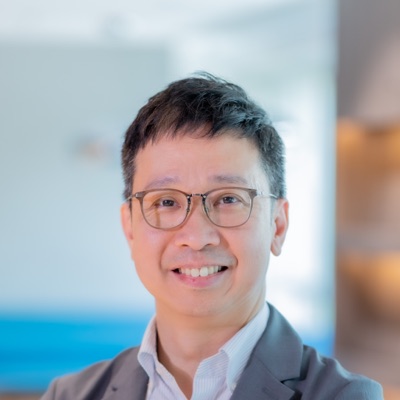
黃浩然(Michael Wong)Michael Wong (Ho-yin)
黃浩然(Michael)是 Edcosys Limited 的創辦人兼行政總裁。Edcosys 由香港科學園的一支 AI 團隊於 2024 年 5 月 20 日創辦,為企業團隊提供 AI 培訓、到場導入與部門自動化,並為 F.1–F.6 學生提供 AI 課程。Michael Wong is the founder and CEO of Edcosys Limited. Edcosys was founded on 20 May 2024 by an AI team from Hong Kong Science Park. It runs AI training, on-site implementation and department automation for companies, and AI courses for F.1 to F.6 students.
關於作者與團隊 →About the author and the team →資料來源Sources
- Bastani, H.、Bastani, O.、Sungu, A.、Ge, H.、Kabakcı, Ö.、Mariman, R.(2025)〈Generative AI without guardrails can harm learning: Evidence from high school mathematics〉,《Proceedings of the National Academy of Sciences》122(26),e2422633122,2026-11-20 核對。文中引用:2023-24 學年土耳其一所大型高中的隨機對照實驗,約 50 班、近 1,000 名第九至十一年級學生、四節 90 分鐘數學課;練習時一般版本高 48%、護欄版本高 127%;工具拿走後一般版本低 17%,護欄版本大致消除負面影響。Bastani, H., Bastani, O., Sungu, A., Ge, H., Kabakcı, Ö. and Mariman, R. (2025). “Generative AI without guardrails can harm learning: Evidence from high school mathematics.” Proceedings of the National Academy of Sciences 122(26), e2422633122; checked on 20 November 2026. Used here: the randomised controlled trial at a large high school in Turkey in the 2023-24 school year, with about 50 classes of grades nine to eleven, almost a thousand students and four 90-minute mathematics sessions; grades 48 per cent higher in the standard arm and 127 per cent higher in the guarded arm during practice; 17 per cent lower in the standard arm once the tool was removed, with the guardrails largely removing the effect. doi.org
- Roediger, H. L. 與 Karpicke, J. D.(2006)〈Test-enhanced learning: Taking memory tests improves long-term retention〉,《Psychological Science》17(3),249-255,2026-11-20 核對。文中引用:一星期之後,重複溫習的一組記得 41%,重複測試的一組記得 61%。Roediger, H. L. and Karpicke, J. D. (2006). “Test-enhanced learning: Taking memory tests improves long-term retention.” Psychological Science 17(3), 249-255; checked on 20 November 2026. Used here: a week later the restudy group remembered 41 per cent and the repeated-test group remembered 61 per cent. doi.org
- 課程發展議會(2026)《中小學人工智能素養學習架構》,《中小學數字教育發展藍圖》補充文件一,2026 年 6 月,2026-11-20 核對。文中引用:四個學習階段、三條主線,以及評估不局限於紙筆測驗、要看應用與實作、重視過程、題目貼近真實情境、涵蓋倫理與批判思考的原則。Curriculum Development Council (2026). AI Literacy Learning Framework for Primary and Secondary Schools, Supplement I to the Blueprint for Digital Education Development in Primary and Secondary Schools, June 2026; checked on 20 November 2026. Used here: the four key stages and three strands, and the assessment principles that assessment is not limited to paper tests, looks at application and practice, values process, uses authentic contexts and covers ethics and critical thinking. edb.gov.hk (PDF)
- 個人資料私隱專員公署(2024)《Artificial Intelligence: Model Personal Data Protection Framework》,2024 年 6 月 11 日,2026-11-20 核對。文中引用:機構在採購與使用 AI 時要處理的四個範疇,包括 AI 策略及管治架構、風險評估及人為監督、模型的定製與系統的實施及管理,以及與持份者的溝通。Office of the Privacy Commissioner for Personal Data (2024). Artificial Intelligence: Model Personal Data Protection Framework, 11 June 2024; checked on 20 November 2026. Used here: the four areas an organisation has to address when procuring and using AI, which are AI strategy and governance, risk assessment and human oversight, model customisation and system implementation and management, and communication with stakeholders. pcpd.org.hk (PDF)
- 團結香港基金(2026)《人工智能(AI)在中小學教育的應用與發展》問卷調查摘要,2025 年 7 月至 12 月進行,1,200 份有效問卷,其中 833 名學生,2026-11-20 核對。文中引用:教師使用率 91%、學生 95%,自評熟練度 5 分與 6.5 分(10 分滿分)。Our Hong Kong Foundation (2026). Factsheet for the survey on AI in primary and secondary education, fieldwork July to December 2025, 1,200 valid responses, 833 of them students; checked on 20 November 2026. Used here: 91 per cent of teachers and 95 per cent of students using AI, with self-rated proficiency of 5 and 6.5 out of 10. ourhkfoundation.org.hk (PDF)
- Edcosys 交付紀錄,2026-11-13 由交付團隊確認:一個中學數字人課程,約 30 名學生,六節 90 分鐘;學生把口試考官的提示詞改嚴的觀察;一位中四學生的匿名引述,書面同意日期 2026-10-16。紀錄由團隊持有,未隨文章公開。Edcosys delivery record, confirmed by the delivery team on 13 November 2026: a secondary-school digital human programme with about 30 students over six 90-minute sessions; the observation that students rewrote the oral examiner's prompt to make it stricter; and an anonymous quotation from a Secondary 4 student with written consent dated 16 October 2026. The record is held by the team and is not published with this article.
- Edcosys 課程頁面閱讀紀錄,2026-11-20:五個查詢在 google.com.hk(zh-HK)第一頁的自然結果,保留中學生課程頁 11 個,逐頁記錄八個欄位;樣本規則與編碼準則寫在第三節。紀錄由 Edcosys 持有,未逐頁公開。Edcosys course-page reading record, 20 November 2026: the first page of organic results on google.com.hk in Chinese for five queries, keeping eleven course pages for secondary students and coding eight fields on each; the sample rule and the coding rule are printed in section three. The record is held by Edcosys and the pages are not listed.
首次發表:2026-11-20,最後更新:2026-11-20First published 20 November 2026; last updated 20 November 2026