公開課程與到校課程有甚麼分別?時數怎樣計?How does the public class differ from the school course, and how long is each?
流程相同,時數與終點不同。到校課程 8 堂 × 1.5 小時(共 12 小時),在學校進行,以走完校園巡邏路線、公開示範與報告作結;公開課程 2 堂 × 3 小時(共 6 小時),星期六在中環進行,以走完一段指定路線作結,家長可陪同出席。公開課日期見課程時間表。Same process, different length and endpoint. The school course is 8 × 1.5 hours (12 hours) on your campus and ends with a campus patrol route, a public demonstration and a report. The public class is 2 × 3 hours (6 hours) in Central on Saturdays and ends with a set route completed; parents are welcome to join. Dates are on the course schedule.
這個課程適合甚麼年級?需要編程或機械人經驗嗎?What year levels is it for, and does anyone need coding or robotics experience?
適合 F.1–F.6 中學生(13 歲或以上,18 歲以下需家長同意)。無需任何編程、機械或 AI 經驗,導師由零開始逐步指導;組裝、量度與指令寫作都在課堂內完成。For F.1–F.6 secondary students (age 13+, parental consent under 18). No coding, mechanical or AI experience is needed, our instructors start from zero. Assembly, measurement and writing the instructions all happen in the lesson.
學校需要購買機械人或其他硬件嗎?Does the school need to buy a robot or any hardware?
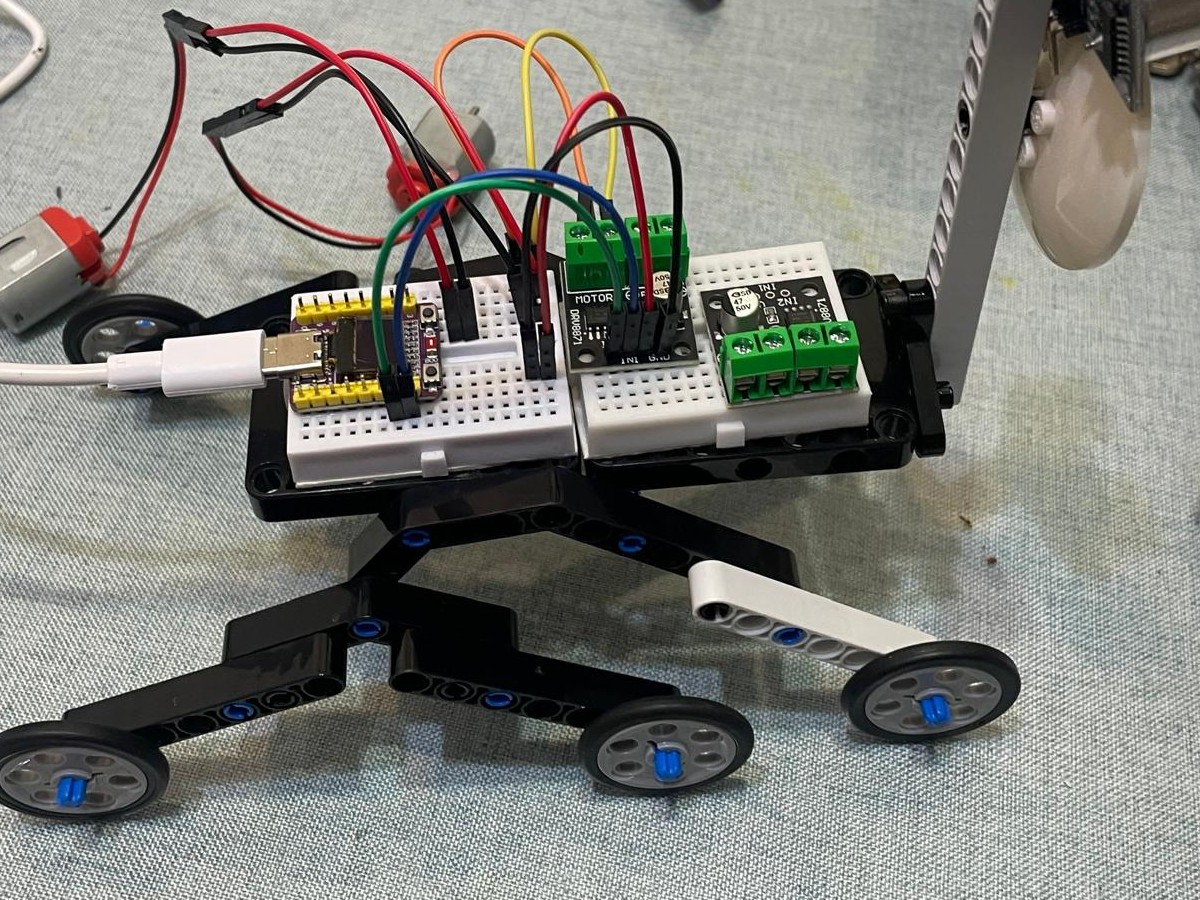
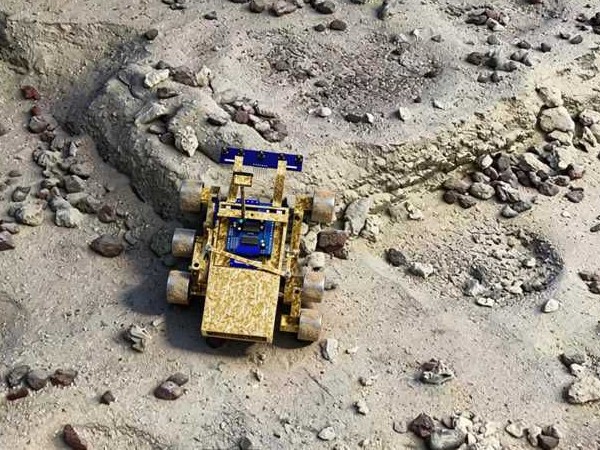
不需要。月球車探測機械人、備用零件與地形用具(標記帶、雪糕筒、泡棉台階、斜台、碎石盤)都由我們帶到學校。學校只需提供課室,以及一個可以臨時封閉的空間,約 4 × 4 公尺的平整地面,用作實機測試與巡邏路線。No. We bring the lunar rover, the spare parts and the terrain kit (marking tape, cones, foam steps, a low ramp and a shallow gravel tray). The school provides a classroom plus a space that can be temporarily closed off, roughly 4 × 4 metres of level ground for testing and the patrol route.
一班有多少人?一部機械人夠用嗎?How many students per class, with only one robot?
建議 20 至 30 人,分 5 至 6 組,以三站輪流上場:實機操控、寫規格與指令、記錄與量測。每組每一步都有實機時間,等待不是這個課程的設計。We recommend 20 to 30 students in 5 to 6 teams rotating through three stations: on the machine, writing the specification and instructions, and recording and measuring. Every team gets machine time at every step, waiting is not part of the design.
八個步驟的內容是甚麼?What are the eight steps?
第 1 至 2 步開箱與組裝校正;第 3 至 4 步量度地形、寫成任務規格,再把行為畫成狀態機並寫成指令;第 5 至 6 步認識感測極限、標示障礙與風險,並用成功率前後對照換取可靠性;第 7 至 8 步串成一條校園巡邏路線,並在校園公開示範。Lessons 1 to 2: unbox, assemble and calibrate. Lessons 3 to 4: measure the ground, write the task specification, draw the behaviour as a state machine and turn it into instructions. Lessons 5 to 6: meet the sensing limits, map the hazards and buy reliability with a before-and-after success rate. Lessons 7 to 8: join it into one campus patrol route and demonstrate it in public.
學校需要準備甚麼場地與設備?What venue and equipment does the school need to provide?
一間課室或實驗室、一部投影機,以及一個可以臨時封閉的空間(約 4 × 4 公尺平整地面,例如走廊一段或禮堂一角);另外需要 Wi-Fi 讓各組在自己的裝置上寫指令。機械人、控制器、備用零件、地形用具與安全裝備由我們帶備。A classroom or laboratory, a projector, and a space that can be temporarily closed off (roughly 4 × 4 metres of level ground, a corridor stretch or a corner of the hall), plus Wi-Fi so teams can write instructions on their own device. We bring the robot, the controller, the spares, the terrain kit and the safety gear.
學生最後學會甚麼?What will students have learned?
一部由學生組裝並校正好的月球車(連操作指引)、一份附驗收條件的任務規格與巡邏路線圖、一份工程日誌與成功率前後對照、一份 3 分鐘任務簡報與升學作品集頁,以及官方認證結業證書。A rover the students assembled and calibrated (with its operating guide), a task specification with pass conditions and a patrol route map, an engineering log with the success rate before and after, a 3-minute mission briefing and portfolio page, and an official course-completion certificate.
可以配合「智啟學教」或 QEF 撥款嗎?Can it be funded through 智啟學教 or QEF?
可以。本課程可配合「智啟學教」撥款要求的六大項目,亦可配合 QEF 公帑資助學校專項撥款計劃申請。我們會提供課程建議書、八個步驟、場地清單與成果說明,並可按學校需要安排校園公開示範,配合學校發展計劃一併提交。Yes. The course fits all six requirements of the 智啟學教 funding and can also be submitted under a QEF publicly funded school project. We provide the proposal, the eight-lesson outline, the venue checklist and the outcome list, and can arrange a campus demonstration to submit alongside your development plan.
如何查詢時間表、收費及索取建議書?How do we check the schedule and fees, or get the proposal?
請填寫本頁表格,或透過 hello@edcosys.com/+852 9098 1850(電話/WhatsApp)聯絡我們,我們會回覆時間表、收費與校本課程建議書。Fill in the form on this page, or reach us at hello@edcosys.com / +852 9098 1850 (phone / WhatsApp), and we will reply with the schedule, the fees and the school proposal.