
優質教育基金「公帑資助學校專項撥款計劃」第十七期由 2026 年 10 月至 2027 年 1 月接受申請[1]。新階段由 2026/27 學年至 2028/29 學年推行,每所公帑資助學校的累計申請額由 200 萬元提高至 300 萬元,幼稚園由 50 萬元提高至 70 萬元;學校可以按校情提交一個或多個申請[2]。計劃年期一般不超過三年。The seventeenth call of the Quality Education Fund's Dedicated Funding Programme for Publicly-funded Schools runs from October 2026 to January 2027[1]. The new phase covers the 2026/27 to 2028/29 school years and raises each publicly-funded school's cumulative ceiling from HK$2 million to HK$3 million, and each kindergarten's from HK$500,000 to HK$700,000; a school may submit one or more applications to fit its own circumstances[2]. A project normally runs for no more than three years.
評審按五個範疇給分:計劃需要 35%、計劃可行性 25%、財政預算 10%、計劃的預期成果 20%、計劃成果的延續及推廣 10%。最後一項只適用於申請撥款總額超過 20 萬元的計劃[5]。換句話說,一份計劃書有一半以上的分數(55%)落在「需要」與「成果」兩欄,財政預算佔十分之一。Five areas carry the marks: the need for the project 35%, its feasibility 25%, the budget 10%, the expected outcomes 20%, and the continuation and promotion of the outcomes 10%. The last applies only to applications above HK$200,000[5]. More than half of the score, 55%, therefore sits in the need and the outcomes, while the budget carries one tenth.
人工智能不在這五個範疇之中。它在基金 2025/26 學年推出的四個優先主題之內:STEAM 教育和數字教育[3]。主題把人工智能寫成一個例子,寫的是學生應用創新科技解決問題的能力;計劃書要回答的仍然是學生學到甚麼、學校怎樣知道他們學到。這一篇逐欄拆開編號(40)的申請表格與計劃書範本,附一份二十四個月的示範計劃、一份符合價格標準的預算,以及兩筆 AI 撥款怎樣分工而不重複。Artificial intelligence is not one of the five areas. It sits inside one of the four priority themes the Fund introduced in 2025/26: STEAM education and digital education[3]. The theme names AI as an example and describes students' ability to apply new technology to solve problems; the proposal still has to answer what students learn and how the school knows they learned it. This article opens form 40 and the proposal template field by field, and adds a twenty-four-month worked plan, a budget that follows the pricing standards, and an allocation of the two AI funding pots that does not claim the same invoice twice.
摘要Summary
- 第十七期由 2026 年 10 月至 2027 年 1 月接受申請,每所公帑資助學校的累計申請額是 300 萬元,計劃年期一般不超過三年。The seventeenth call runs from October 2026 to January 2027, each publicly-funded school has a cumulative ceiling of HK$3 million, and a project normally runs for no more than three years.
- 五個評審範疇的比重是 35%、25%、10%、20%、10%;計劃需要與預期成果合共 55%,財政預算只佔 10%。The five areas weigh 35%, 25%, 10%, 20% and 10%; the need and the outcomes together carry 55%, and the budget carries 10%.
- 計劃需要分三欄:目標、校本創新元素、配合校本與學生需要;一項本校的數據比五段國際研究有力。The need has three fields: goals, the school-based innovation, and the fit with the school and its students; one local number is stronger than five international studies.
- 人工智能在優先主題之內,不在評審範疇之內;計劃要寫明科目、級別與學習元素,工具只是達到學習成果的手段。AI sits inside the priority theme, not inside the criteria; the plan names the subject, level and learning element, and the tool is only the means to an outcome.
- 基金的小錦囊把「幼稚園推行 STEAM 教育或人工智能課程」列為不符合現行政策的例子,幼稚園的 AI 計劃難以獲得支持。The Fund's own tips list a kindergarten STEAM or AI programme as an example that does not fit current policy, so a kindergarten AI proposal is unlikely to be supported.
- 財政預算要跟價格標準:代課教師月薪 35,080 元、教學助理 14,400 至 18,300 元、培訓導師每小時 860 至 1,610 元、平板電腦 3,400 元;工程應急 10%,多於一年的計劃應急 3%。The budget follows the pricing standards: a supply teacher at HK$35,080 a month, a teaching assistant at HK$14,400 to HK$18,300, a trainer at HK$860 to HK$1,610 an hour, a tablet at HK$3,400; works contingency 10%, and a multi-year contingency of 3%.
- 「智啟學教」50 萬元與優質教育基金可以資助同一個計劃,但同一張發票不可以報兩次;一筆買設備,另一筆買課程設計、代課與評鑑。The HK$500,000 AI grant and the QEF can fund the same project, but the same invoice cannot be claimed twice: one buys the devices, the other buys the curriculum design, the released time and the evaluation.
- 評鑑要寫方法與成功準則;八成教師同意只說明滿意度;學習成果要靠學生的前測與後測、作品評分,那才是 20% 那欄的證據。The evaluation needs a method and success criteria; 80% teacher agreement is satisfaction, not learning, and a student pre-test, post-test and work rubric are the evidence the 20% asks for.
第十七期由十月開到一月,三件事要按工作天倒數The seventeenth call runs from October to January, and three jobs count back in working days
這一期由 2026 年 10 月開放到 2027 年 1 月[11],大約四個月。四個月要完成三件事:在網上計劃管理系統建立或更新帳戶、把計劃書與預算寫到可以交、讓協作機構在提交後十四天內確認。三件事之中,第一件最容易低估:系統的帳戶註冊一般要七個工作天,未註冊的學校要先用系統提交登記表格[4]。This call runs from October 2026 to January 2027[2], about four months. Three jobs have to be finished inside them: create or update the account on the online project management system, write the proposal and the budget to a submittable state, and obtain the collaborating organisations' confirmation within fourteen days of submission. The first is the easiest to underestimate: registering an account normally takes seven working days, and a school without one has to submit the registration form through the system first[4].
- 012026 年 10 月:第十七期開放October 2026: the seventeenth call opens
基金網頁公布申請日期,學校可以透過網上計劃管理系統提交表格與計劃書。The Fund publishes the application period, and schools may submit the form and proposal through the online system.
- 022027 年 1 月:第十七期截止January 2027: the seventeenth call closes
截止時間由網上系統設定;帳戶註冊與協作確認都要在此之前完成。The system sets the closing time; account registration and collaborator confirmation must be finished before it.
- 032027 年 4 月至 7 月:第十八期April to July 2027: the eighteenth call
同一學年的第二次機會;撥款結果與計劃開始日期都會推後。The second chance in the same school year, with a later result and a later start.
- 042028 年 8 月 31 日:「智啟學教」用款期限31 August 2028: the AI grant's spending deadline
50 萬元撥款要在這一日之前用完,未用的餘款要退回基金。The HK$500,000 grant has to be spent by this date, and any balance goes back to the Fund.
- 052028/29 學年:專項撥款新階段結束2028/29: the new phase of the dedicated programme ends
之後不再有第十七期與第十八期;2029 年之後的計劃要另找資源。The seventeenth and eighteenth calls are the last of this phase; a project after 2029 needs another source.
五個日期排在一條線上:兩期申請、一筆 50 萬元的用款期限、一個階段的終點。Five dates on one line: two calls, one HK$500,000 spending deadline, and the end of a phase.
如果學校打算在同一個學年同時用兩筆錢,倒數要由十月開始;一月才開帳戶的學校,會發現登記要七個工作天、協作機構要十四天確認,而系統在截止之後不接受補充資料[4]。計劃書寫得再好,交不進去就沒有分數。If a school intends to use both pots in the same school year, the countdown starts in October, not January. A school that opens its account in January finds that registration takes seven working days, collaborators have fourteen days to confirm, and the system accepts no supplementary material after the deadline[4]. A good proposal that cannot be submitted scores nothing.
第二件事是範圍。新階段的累計上限是 300 萬元,但這是累計額,每一期的新額度要從中扣除。通函的例子寫得清楚:一所學校在 2018/19 至 2025/26 學年已獲撥款 180 萬元,2025/26 學年底尚有 20 萬元未用罄,新階段的累計申請額就是 120 萬元[1]。學校在寫預算之前,應先在網上系統查閱過往的申請紀錄與未用罄的餘額。The second job is scope. The new phase's ceiling is HK$3 million, but that is a cumulative amount, not a fresh allowance for each call. The circular's example is explicit: a school granted HK$1.8 million from 2018/19 to 2025/26, with HK$200,000 unused at the end of 2025/26, has a new cumulative ceiling of HK$1.2 million[1]. Before writing a budget, a school should read its past applications and unspent balance in the online system.
第三件事是到校 AI 課程在計劃裡的位置。這一期資助課程與學生支援,人工智能只是其中一個可以放進去的主題;一個 AI 計劃要通過的五個範疇,與一個中文科計劃要通過的一模一樣。正因為一樣,AI 計劃的優勢不在工具,在它能說清楚學生在課堂上多做了一步甚麼。The third job is the place of on-campus AI programmes in the plan. This is not an AI-only fund; it funds curriculum design and student support, and an AI project passes the same five areas as a Chinese-language project. Because the test is the same, an AI project's advantage is not the tool but its ability to say what step students take in class that they could not take before.
五個評審範疇之中,財政預算只佔十分之一The budget is one tenth of the five areas that decide the application
附件一把評審寫成五個範疇,每個範疇有比重:計劃需要 35%、計劃可行性 25%、財政預算 10%、計劃的預期成果 20%、計劃成果的延續及推廣 10%[5]。五個比重並不均分,評審也不會按計劃書的頁數分配時間;一所學校花三星期寫預算、花三日寫需要,就是把評分表倒轉來用。Annex 1 turns the assessment into five areas, each with a weight: the need for the project 35%, its feasibility 25%, the budget 10%, the expected outcomes 20%, and the continuation and promotion of the outcomes 10%[5]. The weights are not five equal fifths, and the panel does not divide its time by the proposal's page count; a school that spends three weeks on the budget and three days on the need has turned the scoring sheet upside down.
五個範疇合共 100%:需要與成果合共 55%,預算與延續各佔 10%。Five areas make 100%: need and outcomes together are 55%, and the budget and continuation are 10% each.
| 範疇Area | 比重Weight | 評審問甚麼What the panel asks | 計劃書要交甚麼What the proposal submits |
|---|---|---|---|
| 計劃需要Need | 35%35% | 目標是否清晰、受惠對象是否列明、方案是否創新、能否補足學校現況、需要是否有證據、是否配合學校願景與發展、活動是否切合需要。Whether the goals are clear, the beneficiaries named, the approach innovative, the plan a genuine addition to current practice, the need supported by evidence, the fit with the school's vision and development, and the activities suited to the need. | 1.1 計劃目標、1.2 校本創新元素、1.3 配合校本與學生需要;學校發展計劃的對應、本校數據、現行做法的缺口。1.1 goals, 1.2 the school-based innovation, 1.3 the fit with the school and its students; the link to the school development plan, the school's own data and the gap in current practice. |
| 計劃可行性Feasibility | 25%25% | 理念是否切實可行、負責人與成員是否有經驗、學校是否具備條件、校長與教師是否參與、專業水平能否提升、推行方案是否詳細。Whether the rationale is workable, the leaders and members experienced, the school ready, the principal and teachers involved, the professional level raised, and the implementation plan detailed. | 2.1 理念與依據、2.2 準備程度、2.3 校長與教師的參與、2.4 計劃時期、2.5 活動詳情、2.6 財政預算。2.1 rationale and basis, 2.2 readiness, 2.3 participation of the principal and teachers, 2.4 the project period, 2.5 activity details, 2.6 the budget. |
| 財政預算Budget | 10%10% | 開支是否合理、每項主要開支是否有理據、預算是否符合成本效益。Whether the spending is reasonable, every major item justified, and the budget cost-effective. | 2.6 的員工、服務、設備、工程、一般開支、應急與審計七類,逐項單價、數量與理據。The seven categories under 2.6 (staff, services, equipment, works, general expenses, contingency and audit), each with a unit price, a quantity and a reason. |
| 預期成果Outcomes | 20%20% | 有否列明有形與無形成果、成果是否帶來正面影響、影響是否深遠、有否清晰的評鑑方法與成功準則、工具是否合適。Whether tangible and intangible outcomes are named, whether they bring a positive and lasting impact, and whether the evaluation method, success criteria and instruments are sound. | 3.1 成品與影響、3.2 評鑑方法與成功準則;前測、後測、作品評分、觀察紀錄。3.1 deliverables and impact, 3.2 evaluation methods and success criteria; pre-tests, post-tests, work rubrics and observation records. |
| 延續及推廣Continuation | 10%10% | 成果能否持續、有否方案讓主要活動延續、有否推廣方案、成品是否有推廣潛質;只適用於超過 20 萬元的申請。Whether the outcomes last, whether the main activities continue, whether there is a promotion plan and whether the deliverables are worth spreading; only for applications above HK$200,000. | 3.3 可持續發展、3.4 推廣;課程如何留下、設備由誰保養、分享會與示範課怎樣安排。3.3 sustainability, 3.4 promotion; how the curriculum stays, who maintains the equipment, and how the sharing sessions and demonstration lessons are arranged. |
預算只是十分之一,但仍然要寫得準,因為一項沒有理據的開支會被剪掉,而剪掉之後,計劃的規模就與原本寫的不同。預算的分數低,不等於它可以粗疏;它是一道閘,過了才有計劃可談。The 10% budget still has to be exact, because an unjustified item is cut, and once it is cut the project is no longer the size that was described. A low weight does not make the budget careless; it is a gate, not a prize.
評審一般只看計劃書的書面內容;除基金要求之外,提交之後自行補充的資料不受理[2]。所以五個範疇要在同一份文件裡答完,沒有一個範疇可以留待面談時補救。The panel normally assesses the written proposal only; apart from material the Fund asks for, anything added after submission is not accepted[2]. All five areas therefore have to be answered in the same document, and no area can be rescued at an interview.
計劃需要那一欄要寫甚麼?What goes into the need section?
計劃需要分三欄:1.1 計劃目標、1.2 校本創新元素、1.3 計劃配合校本與學生需要[4]。三欄合共 35 分,是一份計劃書最重的一段。它要回答一個問題:這所學校的哪一群學生,今天缺了甚麼,而這個計劃會在兩年內改變它。The need has three fields: 1.1 the goals, 1.2 the school-based innovation, and 1.3 the fit with the school and its students[4]. Together they carry 35 points, the heaviest single block in the proposal. They answer one question: which group of students in this school lacks what today, and what will this project change within two years.
1.1 要寫的是預期表現與成效、策略大綱與受惠組別,活動清單放在 2.5。一句可用的目標有三個部分:對象、策略、可量度的改變。「本校中一至中三學生在書面解釋中,平均只有 18% 能說出一個模型或說法的限制」是對象與現況;「以三個科目、六個教學例子,加入學生修正 AI 輸出的步驟」是策略;「兩年內把比例提升至 60%」是改變。三個部分齊了,評審才知道這個計劃要買的是時間,還是設備。1.1 asks for the expected performance and outcomes, an outline of the strategy and the beneficiary group, not a list of activities. A usable goal has three parts: the group, the strategy and a measurable change. "Only 18% of our S1 to S3 students can name a limit of a model or a claim in a written explanation" is the group and the current state; "six teaching examples across three subjects, with a step in which students correct the AI's output" is the strategy; "raise the share to 60% within two years" is the change. With all three, the panel knows whether the project is buying time or equipment.
1.2 的「創新」不要求世界上未出現過。附件一寫明,創新可以是全新意念,也可以是提升或調適現行措施,或建基於以往獲批計劃的成功經驗[5]。一所學校已在一個班別試行 AI 模擬實驗,把它擴展到三個科目與全部級別,並加入一個新的學生動作,就是校本創新。寫「引入 AI 平台」不算創新,平台是供應商的產品;寫「學生要指出 AI 預測錯了哪一步,並改寫預測」才是學校設計的學習動作。1.2 does not require an idea the world has never seen. Annex 1 says innovation may be a new idea, an improvement or adaptation of current practice, or a school-based plan built on the successful experience of an earlier approved project[5]. A school that has trialled an AI simulation in one class, and now extends it to three subjects and every level with a new student step, has a school-based innovation. "Introduce an AI platform" is not innovation; the platform is a supplier's product. "Students identify the step where the AI's prediction went wrong and rewrite the prediction" is a learning step the school designed.
1.3 是很多計劃書失分的地方。它問兩件事:計劃怎樣配合學校發展計劃與關注事項,以及學校與學生的現況是甚麼。第二件事要數據。校內問卷、APASO、校內評估、教師焦點小組、圖書館借閱紀錄,一個本校的數字勝過五個國際研究,因為評審要判斷的是這所學校,全球趨勢幫不上忙。學校發展計劃的 AI 部分怎樣寫,另一篇有逐欄說明。1.3 is where many proposals lose marks. It asks two questions: how the project fits the school development plan and its concerns, and what the school and its students are like now. The second needs data. An in-school survey, APASO, internal assessment, a teacher focus group or a library borrowing record, any figure with a sample size and a date, is stronger than five international studies, because the panel is judging this school, not a global trend. The AI section of the school development plan is set out field by field in another article.
示範寫法:1.1 至 1.3,學校名稱與數據都是虛構A worked need section: fields 1.1 to 1.3, with a fictional school and fictional data
1.1 計劃目標:本校中一至中三學生在科學、中文與視藝科的書面解釋中,平均只有 18% 能說出一個模型、數據或說法的限制。本計劃以三個科目、六個教學例子與一個學生修正步驟,在兩年內把比例提升至 60%,並讓 12 位參與教師能自行設計同類課堂。1.1 Goals: only 18% of our S1 to S3 students can name a limit of a model, a data set or a claim in a written explanation in science, Chinese and visual arts. The project uses three subjects, six teaching examples and a student-correction step to raise that share to 60% within two years, and to enable the twelve participating teachers to design similar lessons themselves.
1.2 校本創新元素:本校在 2025/26 學年於科學科試行 AI 模擬實驗,但只在一個中二班別、由一位教師推行。本計劃把做法擴展至三個科目與中一至中三全部班別,並加入一個新步驟:學生先看 AI 的預測與理由,再用自己量度或查證的資料指出它錯了哪一步,最後改寫預測。這個步驟由本校設計,平台只提供預測與理由。1.2 Innovation: in 2025/26 the school trialled an AI simulation in science, but in one S2 class and with one teacher. The project extends it to three subjects and every S1 to S3 class, and adds a new step: students read the AI's prediction and reason, use their own measurements or sources to identify the step that went wrong, and rewrite the prediction. The school designed that step; it is not a platform feature.
1.3 配合校本與學生需要:學校發展計劃(2026/27 至 2028/29)的第二個關注事項是「培養學生的批判思維與資訊素養」。2026 年 6 月的校內問卷(n=612)顯示,68% 學生曾用生成式 AI 完成功課,只有 21% 會檢查輸出;同年 5 月的教師焦點小組(n=12)指出,學生最大的困難是不知道 AI 會出錯。本計劃直接回應這兩個數字。1.3 Fit with the school and its students: the second concern in the school development plan for 2026/27 to 2028/29 is to develop students' critical thinking and information literacy. An in-school survey in June 2026 (n=612) found that 68% of students had used generative AI for homework and only 21% checked the output; a teacher focus group in May 2026 (n=12) said the students' main difficulty was not knowing that AI can be wrong. The project answers those two numbers directly.
這段示範有三個可用的動作。第一,目標裡有一個現況數字(18%)與一個目標數字(60%);第二,創新寫的是學校加的一個步驟,買回來的功能留在 2.5;第三,需要由本校數據支持,而數據有日期與樣本數。三樣都不需要昂貴的顧問,只需要學校手上已有的紀錄。The worked section does three moves a reader can copy. The goal carries a current figure (18%) and a target (60%); the innovation is a step the school added, not a purchased feature; and the need rests on the school's own data, with dates and sample sizes. None of the three needs an expensive consultant, only records the school already holds.
寫得弱的需要有三種。第一種只有形容詞:「本校學生學習動機不足」,沒有數字。第二種把活動當目標:「舉辦三次 AI 工作坊」,評審看不到學生有甚麼改變。第三種一次寫五個目標,每一個都重要,結果沒有一個寫得深。附件一對「計劃需要」的其中一條要求,是活動能否適切地滿足學校的需要;五個目標會令這條要求無法回答。Weak needs take three forms. One is adjectives only: "our students lack motivation", with no number. One mistakes activity for outcome: "run three AI workshops", which leaves the panel unable to see what changes for students. One lists five goals, each important, so none is written in depth. One of Annex 1's tests for the need is whether the activities suit the need, and five goals make that test unanswerable.
AI 在計劃裡放在哪裡?Where does AI sit in the plan?
人工智能在優先主題「STEAM 教育和數字教育」之內,不在五個評審範疇之內[3]。這個位置決定寫法:計劃書不可以寫「購買 AI 平台」作為目標,要寫「學生在哪一個科目、哪一個學習元素、用 AI 做了一個甚麼動作,因而學到甚麼」。人工智能是手段,科目與學習元素是位置,學生的動作是證據。AI sits inside the priority theme "STEAM education and digital education", not inside the five assessment areas[3]. That position decides the writing: the proposal cannot make "buy an AI platform" the goal; it has to say which subject, which learning element, what the student does with AI, and what the student therefore learns. The tool is the means, the subject and learning element are the location, and the student's action is the evidence.
主題的說明寫得很闊:推動中小學 STEAM 教育和數字教育、推動在各教育領域應用創新科技、提升學生運用創新科技解決問題的能力、鼓勵採用創新策略提升學與教和評估的成效。可包括的活動有五類,其中兩類直接點名人工智能:培養學生學習和應用創新科技(例如人工智能)的熱忱,以及幫助教師把創新科技元素融入學與教和評估循環[3]。The theme's description is broad: promote STEAM and digital education in primary and secondary schools, apply new technology across learning, raise students' ability to use it to solve problems, and encourage innovative strategies that improve learning, teaching and assessment. Five kinds of activity are listed, and two name AI directly: cultivating students' enthusiasm for learning and applying new technology such as AI, and helping teachers bring new technology into the learning, teaching and assessment cycle[3].
| 主題的要求What the theme asks | 對一份 AI 計劃的意思What it means for an AI project | 計劃書要交的證據The evidence to submit |
|---|---|---|
| 推動 STEAM 教育和數字教育Promote STEAM and digital education | 計劃要落在現行課程的科目與學習元素,課外活動取代不了課堂。The project sits inside a subject and a learning element of the current curriculum, not in a separate after-school club. | 科目、級別、學習元素、單元名稱;與課程文件的對應。The subject, level, learning element and unit, and the link to the curriculum document. |
| 提升學生運用創新科技解決問題的能力Raise students' ability to solve problems with new technology | 學生要解決一個有答案可以檢查的問題,操作工具只是過程。Students solve a problem whose answer can be checked; operating the tool is not the outcome. | 學生作品、前測與後測、評分規準;一個可以看到改變的任務。Student work, a pre-test and post-test, a rubric, and a task in which the change is visible. |
| 幫助教師把創新科技融入學與教和評估循環Help teachers bring new technology into the learning, teaching and assessment cycle | 教師要改變備課、課堂與評鑑,一次工具操作培訓改不了這些。Teachers change planning, classroom practice and assessment, not just attend one tool-training session. | 共同備課紀錄、教案、觀課紀錄、修訂後的評分方法。Joint-planning records, lesson plans, observation notes and the revised assessment method. |
| 培養學生應用創新科技的熱忱Cultivate students' enthusiasm for applying new technology | 熱忱要由學生做得到的事顯示,問卷的同意比例只是旁證。Enthusiasm shows in what students can do, not in the agreement rate of a survey. | 學生自選題目的紀錄、課後延伸作品、參與人數與持續參與。Records of student-chosen topics, extended work after class, participation numbers and whether students continue. |
四行之中,最容易被寫壞的是第一行。學校把「AI 素養」當成一個科目,於是計劃書寫「開設 AI 素養課」,卻答不出它取代哪一節、屬於哪一個學習領域、與課程文件哪一段對應。表格的 2.5 要求填寫學習階段及學習範疇、學科或學習元素[4];填不出這一格,後面的活動、節數與評鑑都會浮在半空。一個可用的寫法是把它放進三個已有的科目:中文科的說明文寫作、科學科的公平測試、視藝科的設計評審,每一個科目寫一個 AI 角色與一個學生動作。The first row is the one most often written badly. A school treats "AI literacy" as a subject, writes "start an AI literacy course", and cannot say which period it replaces, which learning area it belongs to, or which part of the curriculum document it matches. Field 2.5 asks for the learning stage and the learning area, subject or learning element[4]; without that cell, the activities, periods and evaluation float. A workable approach puts the project inside three existing subjects: explanatory writing in Chinese, fair testing in science, and design critique in visual arts, each with one AI role and one student action.
一條要早知道的界線A boundary worth knowing early
基金自己的申請小錦囊,把「於幼稚園推行 STEAM 教育或人工智能課程」列為不符合教育局現行政策和措施的計劃例子[13]。這句話沒有禁止幼稚園談 AI;它指出一份以幼稚園 AI 課程為目標的專項撥款申請,難以符合這一期的政策要求。小學與中學的 AI 計劃沒有這條限制,但仍然要落在科目與學習元素之內。The Fund's own application tips list "a STEAM or AI curriculum in a kindergarten" as an example of a plan that does not fit the Bureau's current policy and measures[13]. That does not forbid kindergartens from discussing AI; it means an application aimed at a kindergarten AI curriculum is unlikely to meet this call's policy requirement. Primary and secondary AI projects do not face that limit, but they still have to sit inside a subject and a learning element.
「智啟學教」50 萬元撥款把同一個方向寫成承諾:在最少三個科目或課程範疇推行 AI 輔助教學,每個範疇最少兩個級別,發展最少六個教學例子或資源[14]。優質教育基金的計劃可以是這六個例子背後的課程設計、共同備課與評鑑,但它不能把同一批設備再買一次。兩筆錢的分工,下一節逐項對照。The HK$500,000 AI grant writes the same direction as a commitment: AI-assisted teaching in at least three subjects or curriculum areas, each covering at least two levels, with at least six teaching examples or resources[14]. A QEF project can be the curriculum design, joint planning and evaluation behind those six examples, but it cannot buy the same devices a second time. The division between the two pots is set out item by item in the next section.
學校要具備甚麼才算可行?What has to be in place for the plan to be feasible?
可行性佔 25%,分六欄:2.1 理念與依據、2.2 準備程度、2.3 校長與教師的參與、2.4 計劃時期、2.5 活動詳情、2.6 財政預算[4]。評審在這一部分問的是一條很實際的問題:這所學校有沒有能力在未來兩年把這件事做完。答案由四部分組成:一次試行、一個有名有姓的團隊、一張切實的月曆,以及一份先用校內現有資源的預算。Feasibility carries 25% and has six fields: 2.1 rationale and basis, 2.2 readiness, 2.3 participation of the principal and teachers, 2.4 the project period, 2.5 activity details and 2.6 the budget[4]. The panel is asking a practical question: can this school finish the job within two years? The answer has four parts: a trial already run, a team with names, a realistic calendar, and a budget that uses what the school already has.
| 欄目Field | 弱的寫法A weak answer | 強的寫法A strong answer |
|---|---|---|
| 經驗Experience | 「本校重視創新科技。」"Our school values innovation." | 2025/26 學年在一班中二科學科試行 AI 模擬實驗,完成六節課,留下學生的預測與修正紀錄。In 2025/26 the school trialled an AI simulation in one S2 science class, taught six periods and kept the students' predictions and corrections. |
| 設施Facilities | 「本校設備充足。」"Our school is well equipped." | 兩間電腦室共有 72 部可上網的電腦,另有 30 部平板電腦由圖書館借用;本計劃只添置 10 部,其餘用現有裝置。Two computer rooms hold 72 internet-connected machines, and the library lends 30 tablets; the project buys ten more and uses the existing devices for the rest. |
| 培訓Training | 「教師樂意學習新工具。」"Teachers are willing to learn new tools." | 12 位參與教師已完成 6 小時的 AI 教學培訓;其中 3 位在 2025/26 學年設計過一個 AI 課堂,並在科組分享。Twelve participating teachers have completed six hours of AI teaching training; three of them designed an AI lesson in 2025/26 and shared it with their subject panel. |
| 角色Roles | 「由資訊科技組統籌。」"The IT team coordinates." | 校長監察與督導;副校長統籌;課程主任負責課程規劃;三位科主任負責本科的教案與觀課;計劃助理處理採購與紀錄。The principal monitors and supervises; the vice-principal coordinates; the curriculum leader plans the curriculum; three subject heads answer for the lesson plans and observations; a project assistant handles procurement and records. |
2.3 的表格有七行學校人員與七項職責:擬定計劃、監察督導、統籌協調、課程或活動規劃、處理撥款、帶領或參與活動、教材整理[4]。這一格最容易寫成「由委員會負責」。委員會由幾個人組成,評審看不到誰在三月做甚麼;把每一項職責寫到一個職位,計劃才有人接手。The 2.3 table has seven school roles against seven duties: planning, monitoring and supervision, coordination, curriculum or activity planning, handling the grant, leading or joining activities, and preparing materials[4]. This is the cell most often written as "the committee is responsible". A committee is not a person, and the panel cannot see who does what in March; assigning each duty to a post gives the plan someone to carry it.
2.1 要引一份課程文件,產品白皮書放在附件就夠。計劃落在哪一個科目,就引那一個科目的課程指引或框架;如果計劃同時回應學校的數字教育政策,引那一段。附件三第 5 條寫明:學校如需使用電腦、平板電腦、投影機等器材,應在可行的情況下調配現有及曾獲基金資助計劃的資源,避免重新購置[7]。這一條把先用現有資源變成可行性的證據。2.1 should cite a curriculum document, not a product white paper. Cite the guide or framework of the subject the project sits in; if the project also answers the school's digital education policy, cite that paragraph. Annex 3, paragraph 5, says that where a project needs computers, tablets or projectors, the school should redeploy existing resources and equipment from earlier Funded projects where practicable, and avoid buying them again[7]. That rule makes "count what you have before you buy" evidence of feasibility, not a virtue.
2.4 的計劃時期有一條容易忽略的規則:學校填報的開始月份的第一天,就是計劃開始日期;結束月份的最後一天,就是完成日期,而基金只接納這段期間產生的開支[4]。學校也不可以在簽署協議書之前開展活動[13]。所以日曆要由「簽約之後」開始排,不要把三月的教師工作坊寫進二月開始的計劃。排課與課時怎樣放進校曆,另一篇有逐項說明。2.4 hides a rule that is easy to miss: the first day of the start month the school enters is the project's start date, the last day of the end month is its finish, and the Fund accepts only expenses incurred inside that period[4]. A school may not start activities before the agreement is signed[13]. The calendar therefore begins after signing, and a March workshop does not belong in a project that starts in February. How to fit the periods into the school calendar is set out in another article.
2.5 要的是活動的形狀,活動名稱幫不上忙:推行時期、學習階段與學科、內容、節數與每節時數、參與人員的數目與職責、預期成效[4]。一行寫「AI 工作坊」沒有用;一行寫「2027 年 3 月至 5 月,中二科學科,六節,每節 40 分鐘,兩位教師與一位計劃助理,學生能指出 AI 預測與實驗結果不一致的一步」,評審才看到一個可以運行的課堂。2.5 asks for the shape of an activity, not its name: the period, the learning stage and subject, the content, the number and length of periods, the staff and their duties, and the expected outcome[4]. "An AI workshop" is useless; "March to May 2027, S2 science, six periods of 40 minutes, two teachers and one project assistant, and students can identify the step where the AI prediction and the experimental result disagree" shows the panel a lesson that can run.
財政預算只佔一成,每一行仍要寫得比另外九成更準The budget is one tenth of the score, and every line still has to be more exact than the other nine tenths
預算分七類:員工開支、服務開支、設備開支、工程開支、一般開支、應急費用、審計費用[8]。每一類要填單價、數量與理據;沒有理據的項目會被剪,剪了之後計劃的規模就與原本寫的不同。基金在二月更新的價格標準,是這一欄的起點[10]。The budget has seven categories: staff, services, equipment, works, general expenses, contingency and audit[8]. Each needs a unit price, a quantity and a reason; an unjustified item is cut, and once it is cut the project is no longer the size that was described. The pricing standards the Fund updated in February are the starting point for this section[10].
| 項目Item | 價格標準Pricing standard | 寫預算時要留意What to watch when budgeting |
|---|---|---|
| 代課教師(學位)Supply teacher (degree) | 35,080 元/月HK$35,080 a month | 用來替代參與計劃教師的部分課節;在職教師不可因參與計劃另收報酬。Used to release participating teachers from some periods; a serving teacher may not be paid extra for joining the project. |
| 教學助理Teaching assistant | 14,400 至 18,300 元/月HK$14,400 to HK$18,300 a month | 按學歷分兩級;預算要加 5% 強積金。Two bands by qualification; add 5% for MPF. |
| 計劃助理Project assistant | 15,600 至 19,300 元/月HK$15,600 to HK$19,300 a month | 大學學位;可以做 0.5 個全職,按比例計。A university degree; a half-time post is allowed and costed pro rata. |
| 培訓導師Trainer | 860 至 1,610 元/小時HK$860 to HK$1,610 an hour | 按資歷分兩級;服務酬金以時薪計,不寫成一個總額。Two bands by seniority; service fees are hourly, not a lump sum. |
| 平板電腦Tablet | 3,400 元/部HK$3,400 each | 10 吋以上、64GB 以上;先盤點校內現有裝置。10 inches and 64GB or more; count the school's existing devices first. |
| 手提電腦Laptop | 8,000 元/部HK$8,000 each | 連高清顯示屏與作業系統;高於標準要提供理據。With a high-definition screen and an operating system; a higher price needs a reason. |
| 投影機Projector | 8,300 元/部HK$8,300 each | 3,500 流明以上、全高清或以上。3,500 lumens and full high definition or better. |
| 審計費用Audit fee | 上限 5,000 元或 15,000 元Capped at HK$5,000 or HK$15,000 | 撥款 100 萬元或以下上限 5,000 元;超過 100 萬元上限 15,000 元[9]。HK$5,000 for a grant of HK$1 million or less; HK$15,000 above HK$1 million[9]. |
員工開支有四條規則會改變預算的形狀。第一,在職教師在受薪情況下參與計劃,不可另發報酬;如果一位教師要長時間全職參與,學校應考慮聘請與其資歷相稱的代課教師[6]。第二,所有全職員工的薪酬在計劃期內固定,一般不獲增薪;教育津貼、醫療保險、房屋津貼等附帶福利,不可列入預算[6]。第三,招聘要公開、公平及具競爭性,薪酬按市場相類職務的最低薪酬釐定[6]。第四,強積金要計入,通常是薪酬的 5%。Four rules change the shape of a staff budget. First, a serving teacher may not be paid extra for joining the project while still receiving a salary; if a teacher is to be released full time for a long period, the school should consider a supply teacher with comparable qualifications[6]. Second, a full-time project salary is fixed for the period and normally receives no increment, and fringe benefits such as education allowance, medical insurance and housing allowance may not be charged to the budget[6]. Third, recruitment must be open, fair and competitive, and pay follows the market minimum for comparable work[6]. Fourth, MPF is part of the cost, normally 5% of salary.
設備與服務各有一次「先問」的機會。設備要先用校內現有及曾獲基金資助的器材;獲批之後,學校要在修訂建議中加入資產運用計劃,交代計劃結束後怎樣調配可再用的設備[7]。服務要以時薪計,學校應避免過度聘用外間服務;導師、教練、顧問、講者的資歷與經驗要寫在服務詳情之內[7]。保養、維修、保險、公用事業費用、食物、獎品與酬酢開支,都不在資助範圍[13]。Equipment and services each get one "ask first" test. For equipment, use what the school already has and what earlier Funded projects provided; after approval, the school adds an asset utilisation plan showing how reusable equipment will be deployed when the project ends[7]. Services are charged hourly, and a school should avoid over-outsourcing; the qualifications and experience of trainers, coaches, consultants and speakers belong in the service details[7]. Maintenance, repairs, insurance, utilities, food, prizes and entertainment are outside the funding scope[13].
兩個百分比各有基數,寫錯基數是常見的算術錯誤。工程應急費用是工程開支的 10%;多於一年的計劃,計劃應急費用是服務、設備與一般開支總和的 3%,不包括員工開支與工程開支[8]。把 3% 乘在整個預算上,會多出一筆沒有理據的錢;評審看到基數錯了,會連帶懷疑其他數字。Two percentages have different bases, and using the wrong base is a common arithmetic error. Works contingency is 10% of the works budget; for a project longer than a year, project contingency is 3% of the total of services, equipment and general expenses, excluding staff and works[8]. Applying 3% to the whole budget produces money with no basis, and a panel that sees the wrong base will doubt the other figures too.
示範算法:0.5 個計劃助理,24 個月A worked calculation: a half-time project assistant for 24 months
月薪 15,600 元 × 24 個月 × 0.5 個全職 = 187,200 元;加 5% 強積金 9,360 元;員工開支 196,560 元。預算表要分開寫月薪、強積金、聘任期與預算開支,讓評審看到 196,560 元是怎樣來的。HK$15,600 a month × 24 months × 0.5 of a full-time post = HK$187,200; add 5% MPF of HK$9,360; the staff cost is HK$196,560. The budget table writes the monthly salary, the MPF, the appointment period and the total separately, so the panel can see how the HK$196,560 was built.
訂閱是另一個要早想的項目。基金資助的計劃屬一次過性質,不應對基金造成經常性的財政負擔[2];一個為期十二個月的 AI 平台訂閱可以在計劃期內資助,第十二個月之後的續費,要由學校寫明由哪一個預算支付。計劃書的 3.3 可持續發展一欄,就是這個答案的位置。Subscriptions need early thought. A Funded project is one-off and should not create a recurrent burden on the Fund[2]; a twelve-month AI platform subscription can be funded inside the project, and the school has to state which budget pays the renewal after month twelve. Field 3.3, on sustainability, is where that answer belongs.
兩筆撥款可以一起用嗎?Can the two funding pots be used together?
可以,條件是同一筆開支不可以報兩次。「智啟學教」的運用指引寫明,學校可靈活運用撥款配合教育局及其他資源,惟同一開支項目不得獲雙重資助[14];優質教育基金的申請指引寫明,已獲其他政府資源提供資助或以往曾獲基金資助的項目,不應向基金重複申請撥款[2]。兩條規則合起來,就是一個分工:一筆買設備與學生活動,另一筆買課程設計、代課與評鑑。Yes, provided the same expenditure is not claimed twice. The AI grant's user guide states that a school may use the funding flexibly with other Bureau and government resources, but the same expenditure item may not receive double funding[14]; the QEF guide states that a project already funded by other government resources, or by an earlier QEF grant, should not apply to the Fund again[2]. Together the two rules produce a division: one pot buys the devices and student activities, the other buys the curriculum design, the released time and the evaluation.
| 開支項目Cost item | 「智啟學教」50 萬元HK$500,000 AI grant | 優質教育基金Quality Education Fund | 界線The boundary |
|---|---|---|---|
| AI 軟件、硬件、平台、教材AI software, hardware, platform, resources | 可以,是撥款的主要用途。Yes, the grant's main use. | 可以,但要配合課程或學生支援,並先用校內現有資源。Yes, if it serves the curriculum or student support, and existing resources are used first. | 同一批設備只可以在其中一邊報銷。The same devices may be claimed on one side only. |
| 學生活動Student activities | 可以,包括校內與校外、學校舉辦或認可的活動。Yes, inside or outside school, run or recognised by the school. | 可以,作為計劃的學生支援措施。Yes, as a student-support measure in the project. | 活動要配合學習目標,兩邊都不資助與學習無關的活動。The activity must serve a learning aim; neither pot funds an unrelated activity. |
| 教師或家長的 AI 課程AI courses for teachers or parents | 不恰當,指引明文列為不恰當運用。Not proper; the guide lists it as an improper use. | 可以,作為計劃的教師專業發展,以服務或代課形式資助。Yes, as teacher professional development within the project, through services or released time. | 這一項是兩筆錢最清楚的分工。This is the clearest division between the two pots. |
| 計劃助理與代課教師Project assistant and supply teacher | 不在用途表內,撥款用於設備、服務與學生活動。Not in the use table; the grant covers devices, services and student activities. | 可以,是員工開支的兩個標準職位。Yes, two standard staff posts in the budget. | 教師在受薪情況下不可另收報酬。A serving teacher may not be paid extra on top of salary. |
| 校舍改善工程School improvement works | 不恰當,指引列明不可進行裝修工程。Not proper; the guide rules out renovation. | 可以,但要與課程或學生支援相關,並按學校行政手冊取得批准。Yes, if related to the curriculum or student support and approved under the school administration manual. | 工程的應急費用是工程開支的 10%。Works contingency is 10% of the works budget. |
| 評鑑、推廣與審計Evaluation, promotion and audit | 宣傳推廣活動的開支列為不恰當。Promotion expenses are listed as improper. | 可以;推廣只適用於超過 20 萬元的申請,審計費有上限。Yes; promotion applies only above HK$200,000, and the audit fee is capped. | 兩套報告與紀錄要各自保存。Each pot keeps its own reports and records. |
兩個日曆也要對齊。「智啟學教」的撥款可以用到 2027/28 學年結束,即 2028 年 8 月 31 日;中期報告在 2027 年 9 月 30 日或之前,總結報告在 2028 年 9 月 30 日或之前[14]。優質教育基金的第十七期在 2027 年 1 月截止,計劃一般不超過三年。一個由 2027 年 9 月開始、為期二十四個月的 QEF 計劃,會在 2029 年 8 月結束,比 50 萬元撥款的用款期限晚一年。設備與平台在 2028 年 8 月之前買,課程與評鑑可以做到 2029 年;計劃書要把這個先後寫清楚,否則評審會問:第二年還有錢買工具嗎。The two calendars also have to line up. The AI grant may be used until the end of the 2027/28 school year, that is, 31 August 2028; the interim report is due by 30 September 2027 and the final report by 30 September 2028[14]. The QEF's seventeenth call closes in January 2027, and a project normally runs no more than three years. A twenty-four-month QEF project starting in September 2027 ends in August 2029, a year after the grant's spending deadline. Devices and the platform are bought before August 2028, while the curriculum and evaluation can run to 2029; the proposal has to state that order, or the panel will ask how the second year buys its tools.
示範分工:50 萬元買 30 部平板電腦(102,000 元)、十二個月的平台授權(48,000 元)、兩次學生活動(36,000 元)與一部教師用手提電腦(8,000 元),共 194,000 元,餘額留給 2027/28 學年的第二批設備與活動。優質教育基金支付 0.5 個計劃助理二十四個月(196,560 元)、兩個月代課(73,668 元)、十二小時導師(12,960 元)、印刷與評鑑(13,000 元)、審計(5,000 元)與應急(929 元),共 302,117 元。兩邊沒有一行重複。A worked division: the HK$500,000 buys thirty tablets (HK$102,000), a twelve-month platform licence (HK$48,000), two student activities (HK$36,000) and one teacher laptop (HK$8,000), HK$194,000 in all, with the balance kept for a second round of devices and activities in 2027/28. The QEF pays for a half-time project assistant for twenty-four months (HK$196,560), two months of supply cover (HK$73,668), twelve hours of trainer time (HK$12,960), printing and evaluation (HK$13,000), the audit (HK$5,000) and contingency (HK$929), HK$302,117 in all. No line appears on both sides.
預期成果要寫一種看得見的改變The outcomes have to name a change that can be seen
預期成果佔 20%,分兩欄:3.1 成品與對學校發展的正面影響、3.2 評鑑方法與成功準則[4]。這一欄要交的是一個可以量度、可以在計劃結束時拿出來給評審看的改變,「學生很開心」答不上。改變的單位可以是分數、比例、作品質素、教師的教案數目,前提是同一把尺在計劃開始之前已經存在。Outcomes carry 20% and have two fields: 3.1 the deliverables and their positive effect on the school's development, and 3.2 the evaluation methods and success criteria[4]. What this section needs is not "students enjoyed it" but a change that can be measured and shown to the panel when the project ends. The unit can be a score, a proportion, the quality of student work or the number of teacher plans, provided the same measure exists before the project starts.
| 評鑑方法Method | 可以證明甚麼What it can show | 不能證明甚麼What it cannot show |
|---|---|---|
| 課堂或活動觀察Lesson or activity observation | 學生有沒有做計劃寫的那個動作,教師有沒有給出時間與指示。Whether students perform the action the plan describes, and whether the teacher gives them the time and the instruction. | 學生在其他課堂會不會做,以及一個月後還記得多少。Whether they do it in another lesson, or how much they remember a month later. |
| 問卷調查Questionnaire | 學生的感受、信心與教師的觀感;適合作次要指標。How students feel, their confidence and teachers' perceptions; useful as a secondary measure. | 學生實際上做不做得到;同意比例高,不等於能力提升。Whether students can actually do it; a high agreement rate is not a rise in ability. |
| 重點小組訪問Focus group | 學生怎樣理解那個動作,為甚麼在某些課堂做得到、另一些做不到。How students understand the action, and why it works in some lessons and not others. | 整體學生的比例;一組人的說法不等於全級。The proportion across the cohort; one group's account is not the whole level. |
| 前測與後測Pre-test and post-test | 同一份任務在計劃前後的分數變化,前提是題目與評分一致。The change in score on the same task before and after, provided the task and the marking are the same. | 改變是否由計劃造成;沒有對照組時要小心解讀。Whether the project caused the change; without a comparison group the reading needs care. |
| 作品評分規準Work rubric | 學生作品在幾個具體維度上的質素,例如能否指出 AI 輸出的一步錯誤。The quality of student work on specific dimensions, such as whether they can identify one wrong step in an AI output. | 學生為甚麼寫得出或寫不出;規準要與教師的共同理解一齊用。Why a student can or cannot write it; the rubric works with a shared teacher understanding. |
基金公開的樣本計劃用了「80% 教師及學生同意該計劃有助……」作為成功準則[15]。八成同意只說明滿意度;它可以留在計劃裡,作為教師觀感的次要指標,但 20% 那一欄要有另一個數字,來自學生的作品或前後測。兩個數字並列,評審才看到計劃既有感受的證據,也有學習的證據。The Fund's published sample proposal uses "80% of teachers and students agree that the project helps..." as its success criterion[15]. That figure answers a question about satisfaction, not about learning; it can stay as a secondary measure of teacher perception, but the 20% needs another number from student work or a pre-test and post-test. With both, the panel sees evidence of how the project felt and evidence of what it changed.
示範評鑑表:三個成果、三把尺A worked evaluation: three outcomes, three measures
成果一:中一至中三學生能在書面解釋中指出 AI 輸出的一步錯誤。工具:作品評分規準(0 至 3 分)。起點:2027 年 9 月的前測,18% 達 2 分或以上。目標:2029 年 2 月的後測,60% 達 2 分或以上。Outcome one: S1 to S3 students can identify one wrong step in an AI output in a written explanation. Instrument: a work rubric scored 0 to 3. Baseline: the September 2027 pre-test, with 18% at 2 or above. Target: the February 2029 post-test, with 60% at 2 or above.
成果二:12 位參與教師能自行設計一個含修正步驟的 AI 課堂。工具:教案檢核表(五項)。起點:2027 年 9 月,3 位教師做到。目標:2029 年 2 月,10 位教師做到,其中 6 位的教案進入科組共享。Outcome two: the twelve participating teachers can design an AI lesson with a correction step on their own. Instrument: a five-item lesson-plan checklist. Baseline: three teachers in September 2027. Target: ten teachers by February 2029, with six of their plans shared across the subject panels.
成果三:學生會在其他科目自願再做一次檢查。工具:課堂觀察紀錄與學生自選任務紀錄。起點:2027 年 9 月,21% 的學生會檢查輸出。目標:2029 年 2 月,50% 的學生在另一個科目做過一次,並留下紀錄。Outcome three: students voluntarily repeat the check in another subject. Instrument: lesson observation records and a log of student-chosen tasks. Baseline: 21% of students checked an output in September 2027. Target: 50% having done it once in another subject by February 2029, with a record kept.
3.3 與 3.4 只適用於超過 20 萬元的申請:計劃成果怎樣持續,以及怎樣推廣[5]。這兩欄合共 10%,最容易被留到最後一段才寫。持續的答案要具體:課程放進哪一個級別的哪一個單元、平台續費由哪一個預算支付、設備由哪一個組別保養、示範課與分享會由哪一位教師負責。推廣的答案也要具體:校內科組、家長晚會、區內學校、香港教育城,選一兩個做得到的地方,寫明日期與對象。3.3 and 3.4 apply only to applications above HK$200,000: how the outcomes continue and how they are promoted[5]. Together they carry 10%, and they are the fields most often left to the last paragraph. The answer on continuation has to be concrete: which level and unit the course enters, which budget pays the platform renewal, which team maintains the devices, and which teacher runs the demonstration lesson and the sharing session. The answer on promotion has to be concrete too: the subject panels, a parent evening, schools in the district or the Hong Kong Education City, with one or two realistic venues, dates and audiences.
二十四個月的計劃只做三件事A twenty-four-month plan that does three jobs
以下是一個示範,學校名稱與數據都是虛構的,寫法是按編號(40)的表格順序排。二十四個月只做三件事:在三個科目發展六個教學例子、讓 12 位教師能自行設計同類課堂、用三把尺量度學生的改變。三件事用二十四個月完成,總預算 302,117 元,沒有設備開支,因為設備由「智啟學教」的 50 萬元支付。那一邊的六個教學例子、三次公開課與三次分享會怎樣排,另一篇有逐項說明。What follows is a demonstration; the school and its data are fictional, and the order follows form 40. The project does three jobs: develop six teaching examples across three subjects, enable twelve teachers to design similar lessons themselves, and measure the change in students with three instruments. It takes twenty-four months and costs HK$302,117, with no equipment line, because the devices are paid for by the HK$500,000 AI grant. How that grant's six teaching examples, three demonstration lessons and three sharing sessions fit together is set out in another article.
| 計劃書部分Part of the form | 要寫甚麼What to write | 示範The demonstration |
|---|---|---|
| 1.1 計劃目標1.1 Goals | 對象、策略、可量度的改變,寫成一段。The group, the strategy and a measurable change, in one paragraph. | 中一至中三學生指出 AI 輸出錯誤的比例,由 18% 升至 60%。The share of S1 to S3 students who can identify an error in AI output rises from 18% to 60%. |
| 1.2 校本創新1.2 Innovation | 學校加了哪一個步驟;買回來的功能寫在 2.5。The step the school adds, not the feature it buys. | 學生先看 AI 的預測與理由,再用量度或查證的資料指出它錯了哪一步,最後改寫預測。Students read the AI's prediction and reason, use their own measurements or sources to find the wrong step, and rewrite the prediction. |
| 1.3 配合需要1.3 Fit | 學校發展計劃的關注事項,加一項本校數據。The school development plan's concern, plus one local figure. | 第二個關注事項是批判思維與資訊素養;68% 學生用過生成式 AI,21% 會檢查輸出。The second concern is critical thinking and information literacy; 68% of students have used generative AI and 21% check the output. |
| 2.3 校長與教師的參與2.3 Participation | 每一項職責寫到一個職位,不寫委員會。Each duty assigned to a post, not to a committee. | 校長監察;副校長統籌;課程主任規劃;三位科主任負責教案與觀課;計劃助理處理採購與紀錄。The principal monitors; the vice-principal coordinates; the curriculum leader plans; three subject heads answer for the plans and observations; the project assistant handles procurement and records. |
| 2.5 活動詳情2.5 Activities | 時期、科目、級別、節數、人員、預期成效。Period, subject, level, periods, staff and expected outcome. | 2027 年 9 月至 2029 年 2 月;中文、科學、視藝;中一至中三;六個教學例子,每個六節;每節 40 分鐘。September 2027 to February 2029; Chinese, science and visual arts; S1 to S3; six teaching examples, six periods each and 40 minutes a period. |
| 2.6 財政預算2.6 Budget | 七類開支,逐項單價、數量與理據。Seven categories, each with a unit price, a quantity and a reason. | 302,117 元;員工 270,228 元、服務 12,960 元、一般 18,000 元、應急 929 元。HK$302,117: staff HK$270,228, services HK$12,960, general HK$18,000 and contingency HK$929. |
| 3.2 評鑑3.2 Evaluation | 三個成果、三把尺、三個目標數字。Three outcomes, three instruments and three target figures. | 學生 18% 升至 60%;教師 3 位升至 10 位;學生自願檢查 21% 升至 50%。Students from 18% to 60%; teachers from three to ten; voluntary checks from 21% to 50%. |
| 3.3 可持續發展3.3 Sustainability | 課程留在哪裡、續費由誰付、設備由誰保養。Where the course stays, who pays the renewal, who maintains the devices. | 課程進入中二科學科第三單元;平台續費由學校的資訊科技預算支付;設備由資訊科技組保養。The course enters unit three of S2 science; the school's IT budget pays the renewal; the IT team maintains the devices. |
| 3.4 推廣3.4 Promotion | 一兩個做得到的地方,寫明日期與對象。One or two realistic venues, with dates and audiences. | 2028 年 5 月與 11 月各一次示範課;2028 年 6 月一次區內分享會;2028 年 9 月家長晚會。A demonstration lesson in May and another in November 2028; a district sharing session in June 2028; a parent evening in September 2028. |
二十四個月的順序是四段。第一段由 2027 年 9 月至 12 月:做前測、開教師工作坊、寫六個教案的第一版。第二段由 2028 年 1 月至 6 月:第一輪課堂,三個科目各兩個例子,觀課與修訂。第三段由 2028 年 9 月至 12 月:第二輪課堂,用修訂後的教案,加入學生的自選任務。第四段由 2029 年 1 月至 2 月:後測、整理作品、寫總結報告。四段之間各有一次校內分享,讓未參與的教師看到課堂。The twenty-four months run in four stages. September to December 2027: the pre-test, the teacher workshops and the first draft of the six lesson plans. January to June 2028: the first round of lessons, two examples in each of the three subjects, with observation and revision. September to December 2028: the second round, using the revised plans and adding a student-chosen task. January and February 2029: the post-test, the collection of student work and the final report. Each stage ends with an in-school sharing so that teachers outside the project see the lessons.
| 類別Category | 項目Item | 金額Amount | 理據Reason |
|---|---|---|---|
| 員工Staff | 計劃助理 0.5 個全職,24 個月,連 5% 強積金Project assistant, half-time, 24 months, including 5% MPF | 196,560196,560 | 處理採購、課堂紀錄、學生作品與報告;學校沒有騰空的人手。Handles procurement, lesson records, student work and reports; the school has no spare capacity. |
| 員工Staff | 代課教師(學位)2 個月,連 5% 強積金Supply teacher (degree), 2 months, including 5% MPF | 73,66873,668 | 讓三位科主任在 2028 年 1 月至 2 月騰出每週四節,做觀課與修訂。Releases the three subject heads from four periods a week in January and February 2028 for observation and revision. |
| 服務Services | 導師 12 小時;每小時 1,080 元Trainer for 12 hours at HK$1,080 an hour | 12,96012,960 | 三次工作坊:AI 錯誤分析、課堂設計、作品評分;校內沒有同類資歷的導師。Three workshops on AI error analysis, lesson design and work assessment; the school has no one with the same qualification. |
| 一般General | 印刷、教材與評鑑工具Printing, materials and evaluation tools | 13,00013,000 | 六個教學例子的學生工作表、前後測卷、訪問與觀察紀錄。Student worksheets for six examples, pre-tests and post-tests, interviews and observation records. |
| 一般General | 審計費用Audit fee | 5,0005,000 | 撥款超過 10 萬元,完結時要提交經審計帳目;上限 5,000 元。A grant above HK$100,000 needs audited accounts at the end; the cap is HK$5,000. |
| 應急Contingency | 服務、設備與一般開支的 3%3% of services, equipment and general expenses | 929929 | 多於一年的計劃;基數是 30,960 元,不包括員工開支。A project longer than a year; the base is HK$30,960 and excludes staff costs. |
| 總額Total | 七類開支合計All seven categories | 302,117302,117 | 每位學生約 336 元,分兩年;員工開支佔 89%。About HK$336 per student over two years; staff is 89% of the total. |
這份預算的形状就是這篇文章的論點:89% 的錢買教師的時間,0% 買設備。評審在 10% 那一欄看到的是一個判斷:學校認為最缺的是人手的時間,於是把錢放在那裡。一個把 70% 放在平板電腦的預算,也可以有理據,但它要回答一個更難的問題:買了之後,哪一位教師有時間用它設計課堂。The shape of this budget is the article's argument: 89% of the money buys teacher time and none of it buys equipment. What the panel sees in the 10% is a judgement: the school believes its scarcest resource is staff time, and puts the money there. A budget with 70% on tablets can also be justified, but it has to answer a harder question: after the purchase, which teacher has the time to design lessons with them?
六種寫法會被剪,或會被評為不值得支持Six ways of writing get cut, or judged not worth supporting
基金的申請小錦囊直接把一些寫法列為「不宜」,另一些題材列為難以獲得支持[13]。這些例子比任何顧問的意見都有用,因為它們是基金自己寫給申請學校看的。以下六種,是三種毛病加上三個具體例子。The Fund's application tips mark some approaches as "not suitable" and some subjects as unlikely to be supported[13]. These examples are more useful than any consultant's opinion, because the Fund wrote them for applicant schools. The six below are three faults and three concrete examples.
| 基金的「不宜」The Fund's "not suitable" | 改寫成甚麼What to write instead |
|---|---|
| 依賴服務、設備或工程供應商提供的計劃書範本。Relying on a proposal template supplied by a service, equipment or works vendor. | 用官方示例的框架,寫本校的需要、數據與課堂;供應商可以報價,不可以代寫。Use the official sample's framework, and write the school's own need, data and lessons; a vendor may quote, not write. |
| 純粹為添置設備及/或校舍改善工程。Buying equipment or improving the premises on its own. | 先寫課程活動與學生動作,再寫設備如何配合那一個學習元素。Write the curriculum activity and the student action first, then how the equipment serves that learning element. |
| 目標空泛、對象不明,例如「透過多元化的活動,提升學生的發展」。A vague goal with no named group, such as "diverse activities to enhance students' development". | 一個對象、一個策略、一個數字:中一至中三、三個科目、18% 升至 60%。One group, one strategy, one number: S1 to S3, three subjects, 18% to 60%. |
| 目標過多,失去焦點。Too many goals, and no focus. | 兩年只做兩三件事;其餘的寫進 3.3 的延續,不寫進 1.1。Two or three jobs in two years; the rest belongs in 3.3, not in 1.1. |
| 活動難以達到目標,例如以攀石提升自理能力、以抄寫文學作品培育正面價值。An activity that cannot reach the goal, such as climbing to build self-care or copying literature to build values. | 活動與目標同一條因果線:學生指出 AI 的錯誤,所以他們能判斷一個說法可不可信。Put the activity and the goal on one causal line: students identify an AI error, and therefore can judge whether a claim is credible. |
| 於幼稚園推行 STEAM 教育或人工智能課程。A STEAM or AI curriculum in a kindergarten. | 中小學的科目與學習元素;幼稚園改用符合現行政策的課程目標。A subject and learning element in a primary or secondary school; a kindergarten works from a goal that fits current policy. |
表格之外,還有三個算術與程序的陷阱。第一,應急費用的基數:工程 10%,多於一年的計劃 3%,但 3% 只乘服務、設備與一般開支,不乘員工開支[8]。第二,同一張發票不可以出現在兩個撥款之內;設備在 50 萬元那邊報了,優質教育基金這邊就不可以再報[14]。第三,簽署協議書之前不可以開展活動,而協作機構要在提交申請後十四天內確認[2];兩個日期都比學校想像中早。Beyond the table, three arithmetic and procedural traps remain. First, the base of the contingency: 10% for works, 3% for a project longer than a year, and the 3% applies only to services, equipment and general expenses, not to staff[8]. Second, the same invoice may not appear in both grants; a device claimed under the HK$500,000 grant cannot be claimed again under the QEF[14]. Third, no activity may start before the agreement is signed, and a collaborating organisation has fourteen days after submission to confirm[2]; both dates arrive earlier than schools expect.
還有一個不明顯的陷阱:申請表格問學校有沒有參考基金的計劃書示例或已獲批計劃,如有,要列出編號[8]。參考框架是好事,抄襲文字會被看出來;計劃書示例只供參考;一份把示例的目標、活動與預算換上校名就交的申請,評審看不到學校自己的需要。學校可以說「本計劃參考示例 S02 的課程規劃框架」,不可以把 S02 的內容當成本校的計劃。One less obvious trap: the form asks whether the school referred to a QEF sample proposal or an approved project, and if so, to list the number[8]. Referring to the framework is good; copying the text is visible. A sample is a reference; an application that puts the school's name on the sample's goals, activities and budget leaves the panel unable to see the school's own need. A school may write "this project refers to the curriculum-planning framework of sample S02"; it may not present S02's content as its own plan.
我們不替學校寫計劃書We do not write the proposal for the school
我們做 AI 到校課程與教師工作坊,可以在 2.5 的活動詳情與 2.6 的服務開支出現,作為學校外聘的課程設計與培訓伙伴。我們不替學校寫計劃書、不簽署、不代人回答評審的問題,也不在基金之內有任何位置。原因很簡單:計劃書要由學校自己寫,因為它要寫的是這所學校的需要,一所學校的數據、教師的名字與校曆,只有學校自己寫得出來;由供應商代寫的計劃,評審讀到的是一份產品說明。We run AI programmes in schools and workshops for teachers, and we can appear in 2.5 as a service provider and in 2.6 as a training partner. We do not write the proposal, sign it, answer the panel's questions for the school, or hold any position inside the Fund. The reason is simple: the proposal has to describe this school's need, and only the school can write its own data, its teachers' names and its calendar; a proposal written by a supplier reads to the panel as a product description.
我們可以做的有四件。第一,用 90 分鐘與課程主任和三位科主任選定三個科目、三個學習元素與六個教學例子。第二,示範一節含修正步驟的課,讓教師看到學生實際做的動作。第三,把 2.5 的活動詳情與 2.6 的服務開支寫成一份可以放進計劃書的報價,列明導師資歷、時數與單價。第四,把教案、學生工作表與評鑑工具交回學校,讓學校在計劃完結後仍然用得着。There are four moves we can make. First, spend ninety minutes with the curriculum leader and three subject heads to settle three subjects, three learning elements and six teaching examples. Second, demonstrate one lesson with a correction step, so teachers see the action students actually take. Third, turn the 2.5 activity details and the 2.6 service line into a quotation the school can place in the proposal, with the trainer's qualifications, hours and unit price. Fourth, hand back the lesson plans, student worksheets and evaluation instruments, so the school can still use them after the project ends.
我們不承諾的也有三件:不承諾撥款會獲批,不承諾知道評審的討論,不承諾有任何一份「必中」的範本。附件一的五個範疇與比重是公開的,評審如何在個別申請之間權衡,不在我們可以讀到的文件之內。There are also three promises we do not make: that the application will be funded, that we know the panel's discussion, or that any template wins. The five areas and their weights in Annex 1 are public; how the panel weighs one application against another is not in any document we can read.
如果學校用優質教育基金聘請我們交付部分工作,版權條款要早寫清楚。基金資助的計劃所開發的內容、成果和成品,除非另有指明,版權和其他知識產權歸教育局常任秘書長法團[2]。學校與我們的服務合約要分開兩層:基金資助的成品歸基金制度處理,我們原有的教材與方法由我們授權學校在計劃內使用。這一段要在簽約之前談,不要在結案之後補。If a school engages us to deliver part of a QEF project, the copyright clause belongs in the contract from the start. Unless otherwise specified, the copyright and other intellectual property in the content, outcomes and deliverables developed by a Funded project belong to the Corporation of the Permanent Secretary for Education[2]. The service contract should separate two layers: the Funded deliverables follow the Fund's rules, and our existing materials and methods are licensed to the school for use within the project. That conversation belongs before signing, not after the final report.
常見問題Questions
第十七期幾時截止?When does the seventeenth call close?
一間學校可以交幾份申請?How many applications may one school submit?
買 AI 工具可以嗎?May the project buy AI tools?
幼稚園可以申請 AI 計劃嗎?May a kindergarten apply for an AI project?
兩筆撥款可以同時用嗎?May the two grants be used together?
教師可以因參與計劃收取報酬嗎?May a teacher be paid for joining the project?
計劃成果的版權屬誰?Who holds the copyright in the project's deliverables?
幾時可以開始?要交甚麼報告?When may the project start, and what reports are due?
下一步Where to go next
相關文章Related articles
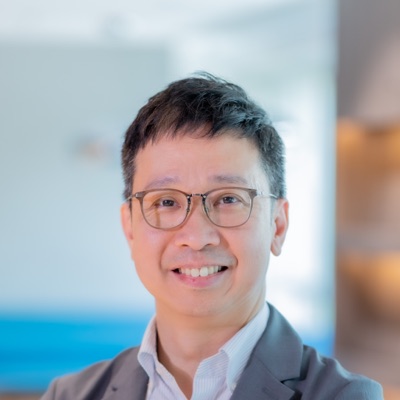
黃浩然(Michael Wong)Michael Wong (Ho-yin)
黃浩然(Michael)是 Edcosys Limited 的創辦人兼行政總裁。Edcosys 由香港科學園的一支 AI 團隊於 2024 年 5 月 20 日創辦,為企業團隊提供 AI 培訓、到場導入與部門自動化,並為 F.1–F.6 學生提供 AI 課程。Michael Wong is the founder and CEO of Edcosys Limited. Edcosys was founded on 20 May 2024 by an AI team from Hong Kong Science Park. It runs AI training, on-site implementation and department automation for companies, and AI courses for F.1 to F.6 students.
關於作者與團隊 →About the author and the team →資料來源Sources
- 教育局通函第 96/2026 號《優質教育基金撥款計劃》,2026 年 6 月 26 日,2026-11-17 核對。文中引用:新階段 2026/27 至 2028/29、300 萬元與 70 萬元上限、兩期申請、四個優先主題、一次過與不重複資助的規則。EDB Circular No. 96/2026, Quality Education Fund funding programmes, 26 June 2026, checked 17 November 2026. Used here: the new phase from 2026/27 to 2028/29, the HK$3 million and HK$700,000 ceilings, the two calls, the four priority themes, and the one-off and no-double-funding rules. edb.gov.hk
- 優質教育基金《公帑資助學校專項撥款計劃:申請指引》,2026 年 8 月,2026-11-17 核對。文中引用:資助範圍、網上系統、五個評審範疇、協議書、報告、七年紀錄、版權屬教育局常任秘書長法團。Quality Education Fund, Dedicated Funding Programme: Guide to Applicants, August 2026, checked 17 November 2026. Used here: the funding scope, the online system, the five assessment areas, the agreement, the reports, seven-year records, and copyright to the Corporation of the Permanent Secretary for Education. qef.org.hk
- 教育局通函第 96/2026 號附件《優質教育基金優先主題》,2026-11-17 核對。文中引用:四個優先主題;STEAM 教育和數字教育的目的與五類活動;人工智能作為例子。Annex to EDB Circular No. 96/2026, Quality Education Fund priority themes, checked 17 November 2026. Used here: the four themes; the aims and five kinds of activity under STEAM and digital education; and AI as an example. edb.gov.hk
- 優質教育基金《填寫計劃書注意事項》,2026 年 8 月,2026-11-17 核對。文中引用:表格 40、三部分 13 欄、預算的價格標準與應急費用、20 萬元界線、系統帳戶與計劃日期。Quality Education Fund, Notes on the Proposal, August 2026, checked 17 November 2026. Used here: form 40, the three parts and thirteen fields, the budget's price standards and contingency, the HK$200,000 line, the system account and the project dates. qef.org.hk
- 優質教育基金《附件一:評審準則》,2026-11-17 核對。文中引用:五個範疇與 35%、25%、10%、20%、10% 的比重;創新的定義;延續及推廣只適用於超過 20 萬元的申請。Quality Education Fund, Annex 1: Vetting Criteria, checked 17 November 2026. Used here: the five areas and the 35%, 25%, 10%, 20% and 10% weights; the definition of innovation; and the rule that continuation and promotion apply only above HK$200,000. qef.org.hk
- 優質教育基金《附件二:有關人事聘用的準則》,2026-11-17 核對。文中引用:市場薪酬、短期與兼職人員、在職教師不可另收報酬、代課安排、固定薪酬、附帶福利、強積金。Quality Education Fund, Annex 2: Guidelines on Personnel, checked 17 November 2026. Used here: market pay, temporary and part-time staff, no extra pay for serving teachers, the supply-teacher arrangement, fixed salaries, fringe benefits and MPF. qef.org.hk
- 優質教育基金《附件三:有關採購服務及貨品的準則》,2026-11-17 核對。文中引用:先調配現有及曾獲資助的器材、資產運用計劃、服務以時薪計、避免過度外聘、保養由學校承擔。Quality Education Fund, Annex 3: Guidelines on Procuring Services and Goods, checked 17 November 2026. Used here: redeploying existing and previously Funded equipment first, the asset plan, hourly service fees, avoiding over-outsourcing, and maintenance as the school's responsibility. qef.org.hk
- 優質教育基金《計劃書範本》(表格 40),2026 年 8 月,2026-11-17 核對。文中引用:1.1 至 3.4 的 13 欄、七類預算表、角色矩陣、五種評鑑方法、參考示例的一欄。Quality Education Fund, Proposal Template (form 40), August 2026, checked 17 November 2026. Used here: the thirteen fields from 1.1 to 3.4, the seven budget tables, the role matrix, the five evaluation methods, and the field for citing a sample. qef.org.hk
- 優質教育基金《附件四:有關一般開支的準則》,2026-11-17 核對。文中引用:超過 10 萬元須提交經審計帳目;審計費用上限 5,000 元與 15,000 元;只資助計劃期內的開支。Quality Education Fund, Annex 4: Guidelines on General Expenses, checked 17 November 2026. Used here: audited accounts above HK$100,000; the audit fee caps of HK$5,000 and HK$15,000; and only project-period expenses. qef.org.hk
- 優質教育基金《價格標準》,2026 年 2 月,2026-11-17 核對。文中引用:代課教師 35,080 元、教學助理 14,400 至 18,300 元、計劃助理 15,600 至 19,300 元、導師每小時 860 至 1,610 元、平板電腦 3,400 元、手提電腦 8,000 元、投影機 8,300 元。Quality Education Fund, Pricing Standards, February 2026, checked 17 November 2026. Used here: the supply teacher at HK$35,080, the teaching assistant at HK$14,400 to HK$18,300, the project assistant at HK$15,600 to HK$19,300, the trainer at HK$860 to HK$1,610 an hour, the tablet at HK$3,400, the laptop at HK$8,000 and the projector at HK$8,300. qef.org.hk
- 優質教育基金「公帑資助學校專項撥款計劃」網頁,2026-11-17 核對。文中引用:申請資格、累計申請額、計劃年期、第十七期與第十八期的日期。Quality Education Fund, Dedicated Funding Programme page, checked 17 November 2026. Used here: eligibility, the cumulative ceiling, the project duration, and the dates of the seventeenth and eighteenth calls. qef.org.hk
- 優質教育基金《常見問題及答案》,2026-11-17 核對。文中引用:非政府機構不可主導、三年上限、設備須配合課程、經常性開支由學校承擔、不設名額。Quality Education Fund, Frequently Asked Questions, checked 17 November 2026. Used here: a non-government organisation cannot lead, the three-year cap, equipment serving the curriculum, recurrent costs borne by the school, and no quota. qef.org.hk
- 優質教育基金「申請小錦囊」網頁,2026-11-17 核對。文中引用:不宜依賴供應商範本、不宜純粹添置設備、空泛或過多的目標、幼稚園 AI 課程的例子、不資助的項目、簽約後才開展。Quality Education Fund, Application Tips page, checked 17 November 2026. Used here: do not rely on a vendor template or buy equipment alone; vague or excessive goals; the kindergarten AI example; unfunded items; and starting only after the agreement. qef.org.hk
- 教育局通函第 221/2025 號《「『智』啟學教」撥款計劃》,2025 年 12 月 16 日,2026-11-17 核對。文中引用:50 萬元用途、五項承諾、不恰當運用、2028 年 8 月 31 日期限、兩份報告、不得雙重資助。EDB Circular No. 221/2025, the AI for Empowering Learning and Teaching Funding Programme, 16 December 2025, checked 17 November 2026. Used here: the HK$500,000 uses, the five commitments, the improper uses, the 31 August 2028 deadline, the two reports, and the ban on double funding. edb.gov.hk
- 優質教育基金計劃書示例 S02《校本初中 STEM 教育計劃》,2026-11-17 核對。文中引用:章節順序、1,097,391 元預算、以 80% 同意作為成功準則的寫法。Quality Education Fund sample proposal S02, School-based Junior Secondary STEM Education Project, checked 17 November 2026. Used here: the order of the sections, the HK$1,097,391 budget, and the use of 80% agreement as a success criterion. qef.org.hk
首次發表:2026-11-17,最後更新:2026-11-17First published 17 November 2026; last updated 17 November 2026